-46%
Chloromycetin
Price range: $ 274,63 through $ 1 277,30

Cialis
Price range: $ 52,92 through $ 612,19
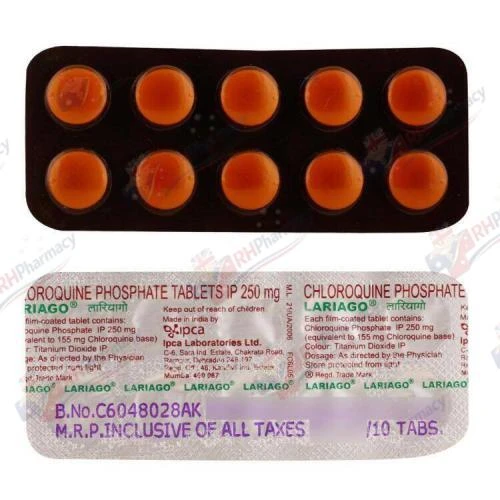
Chloroquine
Price range: $ 117,29 through $ 856,78
Chloroquine is an antimalarial medication historically used for the prevention and treatment of malaria. It is also indicated for the management of certain autoimmune conditions, such as rheumatoid arthritis and systemic lupus erythematosus. The drug works by interfering with the growth of parasites in the red blood cells and by modulating the immune system. Chloroquine is taken orally, typically as tablets, following a prescribed dosage regimen. Always ensure this medication is appropriate for your specific health needs.
Active substance: Chloroquine
Delivery: 5–21 days (depending on the shipping method)
Extra 10% discount with coupon: EXTRA10
Each dosage option has its own packaging choices.
Description
Chloroquine A Historical Review Of Its Antimalarial Efficacy And Therapeutic Uses
Welcome to our detailed product page for Chloroquine, a widely recognized medication with a significant history in global health. For individuals in Australia seeking effective solutions for specific health concerns, understanding the full scope of Chloroquine’s benefits and usage is paramount. This extensive guide is designed to provide you with all the necessary information, from its mechanism of action to practical purchasing advice, ensuring you make an informed decision when you choose to buy online.
In Australia, access to essential medications is a key priority, and we are committed to offering comprehensive resources to our valued customers. This page will delve into the uses, advantages, and considerations associated with Chloroquine, highlighting why it remains a trusted choice for many. Explore how you can conveniently order this medication, ensuring you are well-prepared for your health needs without a doctor prescription. We aim to provide clear, reliable information so you can confidently purchase Chloroquine over the counter (OTC).
Understanding Chloroquine: Mechanism and Medical Applications
Chloroquine, with its active ingredient *chloroquine phosphate*, is a synthetic antimalarial and amebicidal drug. Its history of use spans decades, proving its efficacy in combating various parasitic infections and certain inflammatory conditions. Originally synthesized in 1934, Chloroquine has been a cornerstone in the fight against malaria, particularly in regions where sensitive strains of the parasite are prevalent. For Australians travelling or residing in such areas, understanding its role in malaria prevention and treatment is crucial.
The primary mechanism of action for *chloroquine phosphate* involves its accumulation within the food vacuoles of malaria parasites. Inside these vacuoles, the parasites digest hemoglobin, releasing heme, which is toxic to them. To protect themselves, parasites polymerize heme into a non-toxic pigment called hemozoin. *Chloroquine phosphate* inhibits this polymerization, allowing toxic heme to accumulate and disrupt parasitic metabolism, ultimately leading to the parasite’s death. This targeted action makes Chloroquine highly effective against the erythrocytic (blood) stages of malaria parasites.
Beyond its well-established role in malaria, Chloroquine also possesses immunomodulatory properties, which contribute to its use in treating certain autoimmune diseases. Its ability to interfere with lysosomal function and alter antigen presentation can reduce inflammation and mitigate immune responses in conditions like rheumatoid arthritis and lupus erythematosus. This dual action underscores the versatility of Chloroquine as a therapeutic agent.
Approved Uses of Chloroquine
Chloroquine is primarily approved and widely used for the following medical conditions:
1. Treatment of Uncomplicated Malaria: Chloroquine is highly effective against uncomplicated malaria caused by *Plasmodium falciparum*, *Plasmodium vivax*, *Plasmodium ovale*, and *Plasmodium malariae* in areas where these strains remain sensitive to the drug. It rapidly clears parasites from the blood, alleviating symptoms like fever, chills, and headache. For many years, it was the first-line treatment for these types of malaria. Even today, in specific regions, it remains a valuable option for treating sensitive infections. Australians who may encounter malaria during international travel can benefit from the rapid onset of action and reliable efficacy of Chloroquine.
2. Prophylaxis of Malaria: For individuals traveling to areas where malaria is endemic and the parasite strains are known to be sensitive to *chloroquine phosphate*, Chloroquine can be used for prevention. Taken regularly before, during, and after exposure, it helps prevent the development of malaria symptoms by killing the parasites as they enter the bloodstream. This prophylactic use is particularly relevant for short-term travellers or those with limited exposure risks in specific regions. Planning your travel from Australia often includes considering effective malaria prevention strategies, and Chloroquine can be a suitable choice under appropriate conditions.
3. Treatment of Extraintestinal Amoebiasis: Chloroquine is also indicated for the treatment of extraintestinal amoebiasis, particularly amoebic liver abscess. While metronidazole is often the first-line treatment for amoebic infections, Chloroquine can be a valuable adjunct or alternative, especially when the amoebae have spread beyond the intestines into other organs like the liver. Its ability to concentrate in the liver makes it effective in eradicating amoebic trophozoites in this location, providing relief from severe symptoms associated with such infections. The journey to recovery for complex parasitic infections can be supported by the broad-spectrum capabilities of Chloroquine.
4. Management of Certain Autoimmune Conditions: *Chloroquine phosphate* has a historical and ongoing role in the management of specific autoimmune diseases, notably rheumatoid arthritis and systemic lupus erythematosus. In these conditions, Chloroquine functions as a disease-modifying antirheumatic drug (DMARD) by modulating immune system activity. It can reduce inflammation, decrease joint pain and swelling in rheumatoid arthritis, and help manage skin manifestations and fatigue in lupus. While hydroxychloroquine is often preferred due to a slightly more favourable side effect profile for long-term use, Chloroquine retains its place in therapeutic regimens, offering another option for patients seeking symptom relief and disease control. Its effectiveness in modifying disease progression can significantly improve the quality of life for individuals grappling with these chronic conditions.
Dosage and Administration for Optimal Results
The dosage and administration of Chloroquine vary significantly depending on the specific condition being treated, the patient’s age and weight, and the severity of the illness. It is crucial to always adhere to the detailed instructions provided on the product packaging. Generally, Chloroquine is taken orally, typically in tablet form.
For the treatment of malaria, a loading dose is often administered initially, followed by smaller doses over several days. For prophylaxis, it is usually taken once or twice a week, starting before travel, continuing throughout the stay in the endemic area, and for a period after returning. When used for amoebiasis or autoimmune conditions, the dosage regimen will differ, often involving daily administration for an extended period.
It is important to take Chloroquine with food or milk to minimize gastrointestinal upset and enhance absorption. Consistency in taking doses as prescribed is vital for optimal efficacy, especially in preventing malaria or managing chronic autoimmune diseases. Do not stop taking the medication prematurely, even if symptoms improve, as this can lead to recurrence of the infection or worsening of the condition. Always complete the full course of treatment as indicated on the packaging to achieve the best therapeutic outcomes. For anyone in Australia looking to purchase Chloroquine, carefully reviewing the product information regarding dosage is a necessary step.
Potential Side Effects and Safety Considerations
While Chloroquine is an effective medication, it can be associated with a range of side effects, some of which can be serious. Awareness of these potential effects is important for safe usage.
Common Side Effects:
- Gastrointestinal disturbances: Nausea, vomiting, stomach cramps, diarrhea. These can often be mitigated by taking the medication with food.
- Headache
- Dizziness
- Blurred vision
- Skin rash or itching
Less Common but More Serious Side Effects:
- Ocular Toxicity: Long-term or high-dose use of *chloroquine phosphate* can, in rare instances, lead to irreversible retinal damage (retinopathy), affecting central vision. Regular ophthalmic examinations are often recommended during prolonged therapy.
- Cardiac Effects: In some cases, Chloroquine can affect heart rhythm, potentially leading to QT prolongation and arrhythmias. Individuals with pre-existing heart conditions should exercise caution.
- Neurological Effects: Rarely, seizures, confusion, or psychiatric disturbances can occur.
- Hematological Effects: Bone marrow suppression, leading to conditions like aplastic anemia or agranulocytosis, although very rare. Individuals with Glucose-6-Phosphate Dehydrogenase (G6PD) deficiency may experience hemolytic anemia.
- Ototoxicity: Tinnitus (ringing in the ears) or hearing loss has been reported in rare cases.
- Hypersensitivity Reactions: Severe allergic reactions, including angioedema and anaphylaxis, are possible.
Warnings and Precautions:
- Individuals with psoriasis may experience an exacerbation of their condition.
- Use with caution in patients with hepatic impairment, as *chloroquine phosphate* is primarily metabolized by the liver.
- Pre-existing neurological or psychiatric disorders may be worsened.
- Avoid concomitant use with other drugs that can prolong the QT interval or cause retinotoxicity.
Contraindications:
- Hypersensitivity to Chloroquine or related compounds.
- Pre-existing retinal or visual field changes.
It is important to be vigilant for any unusual symptoms while taking Chloroquine. While it is available for purchase without prescription, understanding these aspects of safety is critical. Many Australians can safely use Chloroquine for its intended purposes, but being informed about potential risks is always recommended.
Chloroquine: Key Characteristics and Comparison with Alternatives
To help you make an informed decision, here is a detailed table outlining the key characteristics of Chloroquine, followed by a comparison with popular alternative medications. Understanding these distinctions is crucial when you buy medications online, especially in Australia, where health choices are a priority.
Table: Chloroquine Characteristics
| Characteristic | Description of Chloroquine |
|---|---|
| Active Ingredient | Chloroquine phosphate |
| Drug Class | Antimalarial, Amebicidal, Disease-Modifying Antirheumatic Drug (DMARD) |
| Primary Uses | Uncomplicated Malaria Treatment & Prophylaxis (sensitive strains), Extraintestinal Amoebiasis, Rheumatoid Arthritis, Systemic Lupus Erythematosus |
| Mechanism of Action | Inhibits heme detoxification in malaria parasites; modulates immune response in autoimmune conditions. |
| Dosage Form | Oral tablets (most common) |
| Common Side Effects | Nausea, vomiting, abdominal cramps, headache, dizziness, skin rash, pruritus. |
| Onset of Action | Relatively rapid for malaria symptoms (within hours to days); longer for autoimmune conditions (weeks to months). |
| Long-term Considerations | Potential for ocular toxicity with chronic use; regular eye exams recommended for prolonged therapy. |
| Availability | Can be purchased OTC / without prescription (no rx) from our online platform. |
Comparing Chloroquine with Other Medications
When considering an order for Chloroquine, it can be helpful to understand how it stands in comparison to other commonly used medications for similar conditions. We’ll look at Hydroxychloroquine and Mefloquine, two relevant alternatives.
Chloroquine vs. Hydroxychloroquine (e.g., Plaquenil):
Hydroxychloroquine (HCQ) is a derivative of Chloroquine, sharing a similar chemical structure and mechanism of action. It is widely used for malaria prophylaxis and treatment, and is a cornerstone in the management of rheumatoid arthritis, systemic lupus erythematosus, and other autoimmune conditions.
- Similarities: Both are effective antimalarials and immunomodulators. They both inhibit heme detoxification in parasites and have anti-inflammatory effects.
- Differences: Hydroxychloroquine is generally considered to have a more favourable side effect profile, particularly regarding ocular toxicity. While both can cause retinal damage, HCQ’s risk is typically lower at standard therapeutic doses, making it often preferred for long-term autoimmune disease management. Chloroquine, however, has a longer history of use in specific malaria treatment protocols and can be a strong option where its potency is specifically required. For some individuals in Australia seeking an over the counter option, Chloroquine offers a direct and potent solution.
- Advantages of Chloroquine: In certain scenarios, Chloroquine might offer a more rapid onset or stronger antiparasitic effect for particular sensitive malaria strains. Its well-established efficacy over decades provides a high level of confidence for its approved uses. Furthermore, the ability to purchase Chloroquine without a doctor prescription can be a significant advantage for those needing quick access.
Chloroquine vs. Mefloquine (e.g., Lariam):
Mefloquine is another widely used antimalarial drug, particularly for prophylaxis and treatment of malaria, including drug-resistant *Plasmodium falciparum*. It belongs to a different chemical class (quinoline-methanol) and has a distinct mechanism of action.
- Similarities: Both are potent antimalarials used for prophylaxis and treatment.
- Differences: Mefloquine is often reserved for areas with high rates of chloroquine-resistant *P. falciparum*. However, Mefloquine is known for a higher incidence of neuropsychiatric side effects, including anxiety, depression, insomnia, and in rare cases, psychosis or seizures. Chloroquine, while not without its own side effects, generally has a different side effect profile, with gastrointestinal issues and ocular toxicity being more prominent than neuropsychiatric symptoms.
- Advantages of Chloroquine: For malaria prophylaxis or treatment in areas where the parasites remain sensitive, Chloroquine often presents a better tolerability profile regarding neuropsychiatric side effects compared to Mefloquine. This can be a significant consideration for travellers from Australia concerned about these particular risks. Moreover, the ease to buy Chloroquine over the counter without a prescription makes it a more accessible choice for many.
Why Choose Chloroquine for Your Health Needs in Australia?
Choosing Chloroquine offers several compelling advantages, especially for Australian consumers seeking reliable and accessible medication. Its long-standing history of efficacy in treating and preventing sensitive strains of malaria makes it a trusted choice for those planning travel or residing in at-risk areas. Furthermore, its role in managing certain autoimmune conditions provides a valuable therapeutic option. The ability to purchase Chloroquine online, without a prescription (no rx), significantly enhances convenience and access, allowing you to take control of your health needs promptly. You can confidently order this essential medication, knowing you’re selecting a product with proven results.
Purchasing Chloroquine: Convenience and Accessibility for Australia
Acquiring essential medication should be a straightforward and stress-free process. We understand the importance of timely and easy access to drugs like Chloroquine for our customers in Australia. That’s why we’ve streamlined the process, allowing you to buy Chloroquine online with unparalleled ease.
You can purchase Chloroquine absolutely freely – without the need for a prescription and without consultation with a specialist. Our platform is designed for you to confidently order Chloroquine, making it an over the counter (OTC) solution for your health needs. This means no waiting for appointments, no hassle with prescriptions, just a direct path to acquiring your medication. For anyone in Australia looking to buy Chloroquine without a doctor prescription, our service provides the ultimate convenience.
When you choose to order from us, you’re not just getting ease of access; you’re also benefiting from a global network of reputable suppliers. Your Chloroquine shipment will be dispatched from various countries, primarily from India and Singapore, known for their high-quality pharmaceutical manufacturing. Occasionally, orders may also be shipped from Hong Kong, the UAE, or Europe, ensuring a robust and reliable supply chain. This multi-source approach helps us maintain consistent availability and efficient delivery services across Australia, bringing your purchase directly to your door. Our commitment is to make your online purchase of Chloroquine as seamless and secure as possible.
Frequently Asked Questions About Chloroquine
Here are some of the most common questions about Chloroquine, along with detailed answers, to further assist you in your decision to purchase this medication.
- How long does Chloroquine take to start working for malaria symptoms?
For acute malaria, Chloroquine typically begins to alleviate symptoms like fever and chills within 24 to 48 hours after the first dose, as it rapidly clears parasites from the bloodstream. Full resolution of symptoms and complete parasite clearance usually occur within a few days of completing the recommended course.
- Can I take Chloroquine with food or milk?
Yes, it is highly recommended to take Chloroquine with food or milk. This helps to reduce common gastrointestinal side effects such as nausea, vomiting, and stomach cramps, and can also aid in better absorption of the medication. Taking it after a meal is often the best approach.
- What should I do if I miss a dose of Chloroquine?
If you miss a dose of Chloroquine, take it as soon as you remember, unless it is almost time for your next scheduled dose. In that case, skip the missed dose and resume your regular dosing schedule. Do not double the dose to catch up. For malaria prophylaxis, consistency is key, so try to take it on the same day(s) each week.
- Is Chloroquine safe for children?
Chloroquine can be used in children for both malaria treatment and prophylaxis, but dosages must be carefully calculated based on the child’s weight to ensure safety and efficacy. Always refer to the specific dosing instructions on the product packaging or consult appropriate pediatric guidelines. For Australian families travelling to malaria-prone areas, this is an important consideration.
- How should Chloroquine be stored?
Chloroquine should be stored at room temperature, away from direct light and moisture. Keep it in its original packaging and out of reach of children and pets. Do not store it in the bathroom or areas with high humidity.
- What are the most common side effects of Chloroquine?
The most common side effects of Chloroquine include nausea, vomiting, abdominal cramps, diarrhea, headache, dizziness, and mild skin rashes or itching. These are usually mild and often resolve as your body adjusts to the medication, especially if taken with food.
- Can Chloroquine be used long-term for autoimmune conditions?
Yes, Chloroquine can be used for long-term management of certain autoimmune conditions like rheumatoid arthritis and lupus erythematosus. However, due to the potential for ocular toxicity, regular eye examinations (including visual acuity tests and fundoscopy) are strongly recommended for individuals on prolonged therapy to monitor for any retinal changes.
- Are there any dietary restrictions while taking Chloroquine?
There are no specific dietary restrictions while taking Chloroquine. However, as mentioned, taking it with food or milk is advisable to minimize gastrointestinal upset. Maintaining a balanced diet is always beneficial for overall health, especially when undergoing medication.
- How does Chloroquine interact with other medications?
Chloroquine can interact with several medications. For instance, antacids containing magnesium or aluminum can reduce its absorption, so they should be taken at least 4 hours apart. It can also increase levels of digoxin, ciclosporin, and increase the risk of cardiac arrhythmias with other QT-prolonging drugs. Always check the product leaflet for a comprehensive list of interactions, particularly if you’re taking other medications.
- Is Chloroquine effective against all types of malaria?
Chloroquine is highly effective against sensitive strains of *Plasmodium falciparum*, *Plasmodium vivax*, *Plasmodium ovale*, and *Plasmodium malariae*. However, there are widespread regions where *P. falciparum* has developed resistance to Chloroquine. For these resistant strains, other antimalarial drugs would be necessary. Always be aware of the resistance patterns in the specific geographic area you are visiting.
Customer Testimonials
Hearing from our satisfied customers in Australia helps illustrate the real-world benefits of Chloroquine and the convenience of our service.
“As an avid traveler, malaria prophylaxis is always on my mind. I needed to buy an effective solution quickly for my trip to Southeast Asia. Ordering Chloroquine through this online platform was incredibly simple. I didn’t need a prescription, and the delivery from Singapore was surprisingly fast. The medication worked perfectly; I stayed healthy throughout my journey. This has become my go-to for my travel health needs. Highly recommend for any Australian adventurer!”
– *Liam R., Brisbane, QLD*
“Managing my lupus symptoms has always been a challenge, and I was looking for options to complement my existing regimen. I heard about Chloroquine and decided to try it. The ability to purchase it without a doctor prescription from here was a game-changer. I started feeling a noticeable improvement in my joint pain and skin issues after a few weeks. The ease of ordering and the reliable delivery, knowing it comes from places like India, gives me great peace of mind. It’s a fantastic over the counter option for my condition.”
– *Chloe S., Perth, WA*
Make Your Informed Purchase Today
We are dedicated to providing comprehensive and accessible health solutions for our customers throughout Australia. Chloroquine remains a powerful and versatile medication with proven efficacy for malaria treatment and prevention, as well as in the management of certain autoimmune conditions. The ability to buy Chloroquine online, without prescription (no rx), offers unparalleled convenience and empowers you to take control of your health decisions. Whether you’re preparing for international travel, seeking reliable malaria prophylaxis, or managing a chronic condition, you can confidently order Chloroquine over the counter from our platform.
Take advantage of our easy ordering process and global supply chain, with delivery from trusted sources in India, Singapore, Hong Kong, UAE, or Europe. We encourage you to review all information thoroughly and consider Chloroquine as a valuable addition to your health regimen. Secure your purchase today and experience the peace of mind that comes with reliable and accessible medication for your specific needs in Australia.
Additional information
| Dosage |
250mg ,500 mg |
|---|---|
| Package |
30 pills ,60 pills ,90 pills ,120 pills ,180 pills ,270 pills ,360 pills |
| Ενεργός Ουσία |
Related products