

-24%

Eriacta
Price range: $ 89,16 through $ 614,07
Esbriet
Price range: $ 215,72 through $ 707,55
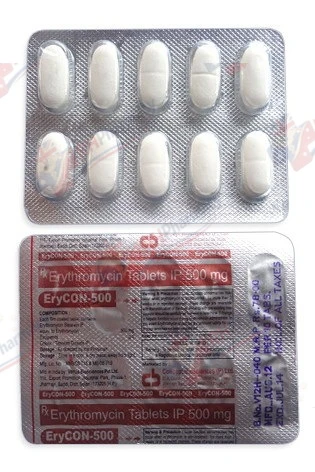
Erythromycin
Price range: $ 159,09 through $ 804,04
Erythromycin is a broad-spectrum macrolide antibiotic used to treat various bacterial infections. It is effective against respiratory tract infections, including pneumonia and bronchitis, as well as certain skin and soft tissue infections. This medication works by inhibiting bacterial protein synthesis, thereby stopping the growth and spread of susceptible bacteria. Erythromycin is often a suitable alternative for patients allergic to penicillin. Always follow the prescribed dosage and complete the full course of treatment.
Active substance: Erythromycin
Delivery: 5–21 days (depending on the shipping method)
Extra 10% discount with coupon: EXTRA10
Each dosage option has its own packaging choices.
Description
Erythromycin an Antibiotic Exploring its Medical Applications and Patient Care
Welcome to our comprehensive guide on Erythromycin, a widely recognised and effective antibiotic that has been a cornerstone of medical treatment for decades. For residents across Australia seeking reliable solutions for bacterial infections, understanding the full scope of Erythromycin is key. This detailed overview is designed to provide you with all the essential information about this versatile medication, ensuring you are well-informed before you decide to purchase.
We understand the importance of accessible healthcare solutions. That’s why we offer Erythromycin for direct purchase, allowing you to `buy` this essential medication `online` conveniently and efficiently. Our commitment is to provide you with a straightforward path to obtaining trusted medications, making it easier than ever to `order` Erythromycin `without prescription` or the need for a prior consultation. This means you can get the relief you need, when you need it, right here in Australia.
Understanding Erythromycin: A Broad-Spectrum Macrolide Antibiotic
Erythromycin is a distinguished member of the macrolide class of antibiotics, celebrated for its broad spectrum of activity against a variety of bacterial pathogens. Discovered in 1952, it quickly established itself as a vital tool in the fight against infectious diseases. The active ingredient, erythromycin, works by targeting bacterial protein synthesis, a crucial process for bacterial growth and reproduction. By binding to the 50S ribosomal subunit of susceptible bacteria, erythromycin effectively inhibits their ability to produce essential proteins, thereby halting their multiplication and spread. This mechanism of action allows Erythromycin to be primarily bacteriostatic, meaning it stops bacteria from reproducing, though at higher concentrations, it can be bactericidal, actively killing bacteria.
The versatility of Erythromycin makes it a valuable treatment option for a wide range of bacterial infections. Its efficacy extends to various Gram-positive bacteria, some Gram-negative bacteria, and atypical organisms that are often resistant to other common antibiotics. For individuals in Australia, having access to such a well-understood and effective medication can be incredibly beneficial in managing common ailments.
Indications: What Conditions Does Erythromycin Treat?
Erythromycin is prescribed for numerous bacterial infections throughout the body, making it a highly useful medication to have accessible. Its long history of safe and effective use means that its applications are well-established within the medical community. Here are some of the key conditions for which Erythromycin is an effective treatment:
- Respiratory Tract Infections: Erythromycin is frequently used to treat infections such as strep throat, pneumonia (especially atypical pneumonia caused by organisms like Mycoplasma pneumoniae and Chlamydophila pneumoniae), bronchitis, and whooping cough (pertussis). Its effectiveness against these pathogens makes it a go-to option for many respiratory ailments commonly encountered by individuals across Australia.
- Skin and Soft Tissue Infections: For bacterial infections affecting the skin and underlying tissues, Erythromycin can be highly effective. This includes conditions like impetigo, erysipelas, and cellulitis, where specific bacterial strains are susceptible to erythromycin.
- Sexually Transmitted Infections (STIs): In certain situations, Erythromycin serves as an alternative treatment for various STIs. It is effective against chlamydia (especially in pregnant women or those who cannot tolerate other treatments) and can be used as an alternative for penicillin-allergic patients with early syphilis.
- Other Specific Infections:
- Legionnaires’ Disease: Erythromycin is a primary treatment for this severe form of pneumonia caused by Legionella pneumophila.
- Diphtheria: It can be used as an adjunct to antitoxin to eradicate the carrier state of Corynebacterium diphtheriae.
- Intestinal Amoebiasis: While not its primary use, Erythromycin has shown efficacy in treating intestinal amoebiasis in some cases.
- Acne Vulgaris: Although primarily available in topical forms for acne, oral Erythromycin can be used for moderate to severe inflammatory acne due to its ability to reduce inflammation and inhibit the growth of Propionibacterium acnes (now Cutibacterium acnes).
It is important to remember that Erythromycin is specifically for bacterial infections and will not be effective against viral infections like the common cold or flu. Using antibiotics unnecessarily can lead to antibiotic resistance, a growing concern globally and within Australia.
Dosage and Administration Guidelines
The correct dosage and administration of Erythromycin depend on the specific infection being treated, the patient’s age and weight, and the severity of the condition. Erythromycin is available in various formulations, including tablets, capsules, and oral suspensions, offering flexibility in administration. When you `order` Erythromycin `online`, you should always carefully review the product information provided to ensure appropriate use.
Generally, for adults, typical doses range from 250 mg to 500 mg, taken several times a day. For children, the dosage is usually calculated based on body weight. It is crucial to complete the entire course of Erythromycin as prescribed, even if symptoms improve before the medication is finished. Stopping treatment too early can lead to a recurrence of the infection and contribute to the development of antibiotic-resistant bacteria. Some formulations of Erythromycin are best taken on an empty stomach to enhance absorption, while others, particularly enteric-coated or estolate forms, can be taken with food to minimise gastrointestinal upset. Always check the specific instructions for the product you `purchase`.
Potential Side Effects and Precautions
Like all medications, Erythromycin can cause side effects, although not everyone experiences them. Most side effects are mild and transient. Understanding these can help you manage your treatment effectively, especially when you `buy` `over the counter` medications.
Common Side Effects: The most frequently reported side effects are gastrointestinal in nature. These include nausea, vomiting, diarrhoea, and abdominal cramps. These symptoms are often dose-dependent and can sometimes be mitigated by taking the medication with food, if permitted by the specific formulation. Heartburn and indigestion can also occur.
Less Common but More Serious Side Effects: While rare, some serious side effects warrant attention:
- Allergic Reactions: Signs of an allergic reaction include rash, itching, swelling (especially of the face, tongue, or throat), severe dizziness, or trouble breathing. If any of these occur, discontinue use.
- Liver Problems: Symptoms like yellowing of the skin or eyes (jaundice), dark urine, or unusual fatigue could indicate liver issues.
- Hearing Loss: Reversible hearing loss has been reported, particularly with high doses or in patients with kidney or liver impairment.
- QT Prolongation: Erythromycin can affect heart rhythm, potentially leading to a condition called QT prolongation, which can cause irregular heartbeats. This risk is higher in individuals with pre-existing heart conditions or those taking other medications that affect heart rhythm.
- Clostridium difficile-associated diarrhoea (CDAD): As with many antibiotics, Erythromycin can alter the normal gut flora, leading to an overgrowth of Clostridium difficile, which can cause severe diarrhoea.
Precautions:
- Allergies: Do not use Erythromycin if you have a known allergy to erythromycin or other macrolide antibiotics.
- Liver or Kidney Disease: Use with caution in individuals with impaired liver or kidney function, as dosage adjustments may be necessary.
- Myasthenia Gravis: Erythromycin can exacerbate symptoms of myasthenia gravis, a neuromuscular disorder.
- Cardiac Conditions: Exercise caution in patients with a history of QT prolongation, arrhythmias, or other heart conditions.
- Pregnancy and Breastfeeding: While generally considered safe, discuss with a healthcare professional if you are pregnant, planning to become pregnant, or breastfeeding. Information regarding the safety of medication during these periods is crucial for maternal and infant health.
Drug Interactions: What to Be Aware Of
When taking Erythromycin, it’s important to be aware of potential drug interactions, as these can affect the efficacy of the medication or increase the risk of adverse effects. Even when you `buy` `no prescription` medications, understanding these interactions is a vital part of responsible self-medication.
- Statins: Co-administration with certain statins (e.g., simvastatin, lovastatin) can significantly increase their levels in the blood, leading to an increased risk of muscle damage (rhabdomyolysis).
- Anticoagulants: Erythromycin can potentiate the effects of oral anticoagulants like warfarin, leading to an increased risk of bleeding. Regular monitoring may be necessary.
- Theophylline: Erythromycin can increase blood levels of theophylline, a medication used for asthma and COPD, potentially leading to toxicity.
- Antihistamines: Certain older antihistamines (like terfenadine and astemizole, now largely withdrawn from the market) can have dangerous interactions with Erythromycin, increasing the risk of cardiac arrhythmias.
- Ergot Alkaloids: Concomitant use with ergotamine or dihydroergotamine can lead to acute ergot toxicity, characterised by spasm of blood vessels.
- Oral Contraceptives: There is a theoretical risk that Erythromycin might reduce the effectiveness of oral contraceptives. While this risk is often debated, it is prudent to consider additional forms of contraception during a course of antibiotics.
- Other Macrolides and Lincosamides: Avoid concurrent use with other macrolides or lincosamides, as they may have similar mechanisms of action and potentially increase toxicity or resistance.
Always review any other medications or supplements you are taking when starting a course of Erythromycin. This diligence helps ensure your safety and the effectiveness of your treatment, a practice important for all individuals in Australia managing their health.
The Benefits of Choosing Erythromycin
Erythromycin offers several distinct advantages that underscore its continued relevance in modern medicine:
- Broad Spectrum Efficacy: It effectively targets a wide array of bacterial infections, providing a robust solution for various conditions.
- Penicillin Alternative: For patients with penicillin allergies, Erythromycin serves as a crucial alternative, ensuring they can still receive effective antibiotic treatment. This is particularly important for common infections like strep throat.
- Well-Established Safety Profile: With decades of use, the safety and efficacy of Erythromycin are thoroughly understood, making it a reliable choice for many patients.
- Cost-Effectiveness: As an older, generic medication, Erythromycin is often more affordable than newer antibiotics, making it an accessible option for individuals looking to `buy` effective treatment `over the counter`.
- Targeted for Atypical Pathogens: It is particularly effective against ‘atypical’ bacteria such as Mycoplasma and Chlamydia, which are often resistant to beta-lactam antibiotics.
Its consistent performance and applicability make it an invaluable addition to any personal health management strategy, especially for individuals in Australia seeking dependable `over the counter` options.
Erythromycin: Key Characteristics
Here’s a quick overview of the essential characteristics of Erythromycin:
| Characteristic | Description |
|---|---|
| Active Ingredient | Erythromycin |
| Drug Class | Macrolide Antibiotic |
| Primary Mechanism | Inhibits bacterial protein synthesis by binding to the 50S ribosomal subunit. |
| Common Forms Available | Tablets, Capsules, Oral Suspension |
| Key Uses | Respiratory Tract Infections, Skin & Soft Tissue Infections, STIs, Whooping Cough, Legionnaires’ Disease, Acne. |
| Availability | Available for `purchase` `over the counter` `without a doctor prescription` through our service. |
| Delivery Sourcing | Primarily from India and Singapore; occasionally from Hong Kong, UAE, or Europe. |
Comparing Erythromycin with Other Macrolide Antibiotics
Erythromycin belongs to the macrolide class, which also includes newer generations like Azithromycin and Clarithromycin. While all share a similar mechanism of action, there are distinct differences that can influence choice.
| Feature | Erythromycin | Azithromycin | Clarithromycin |
|---|---|---|---|
| Active Ingredient | Erythromycin | Azithromycin | Clarithromycin |
| Drug Class | Macrolide Antibiotic | Macrolide Antibiotic | Macrolide Antibiotic |
| Common Uses | Broad spectrum: Respiratory, Skin, STIs, Whooping Cough, Legionnaires’. Alternative for penicillin allergy. | Similar to Erythromycin, often preferred for respiratory, skin, STIs due to simpler dosing. | Similar spectrum, often used for respiratory, skin, H. pylori eradication, mycobacterial infections. |
| Dosage Frequency | Typically 2-4 times daily | Once daily (often for 3-5 days course) | Once or twice daily |
| Half-Life | Shorter (approx. 1.5-2 hours) | Longer (approx. 68 hours), allows for shorter courses | Intermediate (approx. 3-7 hours) |
| GI Tolerability | Higher incidence of GI side effects (nausea, diarrhoea) | Generally better tolerated than Erythromycin | Generally better tolerated than Erythromycin |
| Drug Interactions | Significant interactions, especially with CYP3A4 inhibitors/substrates | Fewer significant CYP3A4 interactions than Erythromycin or Clarithromycin | Significant interactions, especially with CYP3A4 inhibitors/substrates |
| Key Advantages of Erythromycin | Well-established, decades of use provide extensive safety data. Crucial alternative for penicillin allergy. Often more cost-effective as a generic option. Effective against a broad range of common pathogens. | Convenient once-daily dosing, shorter treatment courses, generally better GI tolerability. | Good for H. pylori, broader spectrum for some bacteria, available in extended-release forms. |
While newer macrolides like Azithromycin and Clarithromycin offer advantages such as less frequent dosing and potentially better gastrointestinal tolerability, Erythromycin retains its critical role due to its proven efficacy, established safety profile, and as an accessible and often more economical choice. For many in Australia, the ability to `purchase` Erythromycin as an `otc` option represents significant value.
Why Buy Erythromycin from Our Online Pharmacy?
We are dedicated to making essential medications accessible to you, the customer, across Australia. When you decide to `buy` Erythromycin through our platform, you are choosing unparalleled convenience and freedom.
- No Prescription Needed: One of our primary commitments is to simplify access to crucial medications. You can `order` Erythromycin `without prescription` and `without a doctor prescription`. This means no delays, no appointments, and no complex consultations – just straightforward `otc` access to the medication you need.
- Unmatched Convenience: Our `online` platform allows you to browse, select, and `purchase` Erythromycin from the comfort of your home. Whether you are in a bustling city or a remote part of Australia, your medication is just a few clicks away.
- Global Sourcing for Reliability: We pride ourselves on sourcing high-quality Erythromycin from reputable international suppliers. Our network primarily includes trusted manufacturers in India and Singapore, with additional supplies coming from Hong Kong, the UAE, or Europe. This diverse sourcing strategy ensures a consistent supply of genuine medication.
- Discreet and Secure Delivery: Your privacy is paramount. We ensure that your `online` `order` is processed and delivered discreetly and securely to your chosen address anywhere in Australia.
- Competitive Pricing: We strive to offer Erythromycin at competitive prices, making effective treatment more affordable and accessible to everyone who needs it. When you `buy` `no rx` medications from us, you get both convenience and value.
By choosing our service, you are opting for a hassle-free experience to `buy` Erythromycin `over the counter`, backed by reliability and a commitment to your health and convenience.
Frequently Asked Questions About Erythromycin
-
What is Erythromycin primarily used for?
Erythromycin is primarily used to treat a wide range of bacterial infections. This includes common conditions such as respiratory tract infections (like bronchitis, pneumonia, strep throat, and whooping cough), skin and soft tissue infections (such as impetigo and cellulitis), and certain sexually transmitted infections. It is also a valuable alternative for patients who are allergic to penicillin.
-
How should I take Erythromycin for the best results?
It is crucial to follow the specific instructions provided with your Erythromycin product. Generally, Erythromycin is taken several times a day. Some formulations should be taken on an empty stomach (one hour before or two hours after a meal) to maximise absorption, while others can be taken with food to reduce stomach upset. Always complete the full course of medication, even if your symptoms improve sooner, to effectively eliminate the infection and prevent resistance.
-
What are the most common side effects of Erythromycin?
The most common side effects associated with Erythromycin are gastrointestinal. These can include nausea, vomiting, diarrhoea, and abdominal cramps. These symptoms are usually mild and often diminish as your body adjusts to the medication. Taking the medication with food (if allowed by your specific formulation) can sometimes help to minimise these effects.
-
Can I take Erythromycin if I have a penicillin allergy?
Yes, Erythromycin is often an excellent alternative for individuals with a penicillin allergy. It belongs to a different class of antibiotics (macrolides) and works through a different mechanism, making it a safe and effective treatment option for many infections where penicillin would typically be prescribed.
-
How quickly does Erythromycin start to work?
The time it takes for Erythromycin to show noticeable effects can vary depending on the type and severity of the infection. Generally, you may start to feel better within a few days of starting treatment. However, it is essential to continue taking the medication for the entire prescribed duration to ensure the infection is fully eradicated.
-
Is Erythromycin available for `purchase` `over the counter` in Australia through your service?
Yes, we specifically offer Erythromycin for `online` `purchase` `over the counter` to customers in Australia. You can `order` this medication `without prescription` or the need for a doctor’s consultation, providing a convenient and direct way to access your treatment needs.
-
What should I do if I miss a dose of Erythromycin?
If you miss a dose, take it as soon as you remember. However, if it is almost time for your next scheduled dose, skip the missed dose and continue with your regular dosing schedule. Do not double up on doses to make up for a missed one, as this can increase the risk of side effects.
-
Where does your Erythromycin come from?
We source our Erythromycin from reputable international suppliers to ensure high quality and availability. Our primary suppliers are located in India and Singapore. Additionally, we may occasionally source from Hong Kong, the UAE, or various countries in Europe, depending on availability and quality assurance.
Customer Testimonials
Here’s what some of our satisfied customers in Australia have to say about their experience with Erythromycin:
“I recently developed a persistent chest infection that was really dragging me down. I remembered Erythromycin from past experiences, and finding it available `over the counter` `online` was a huge relief. The `purchase` process was incredibly simple, and the medication arrived much faster than I expected here in Queensland. Within just a few days of starting the course, I felt a significant improvement. It was so convenient to `order` `without prescription` and get back on my feet quickly. Highly recommend this service for `no rx` needs!” – *Sarah K., Brisbane, Australia*
“Living in a regional part of Western Australia, getting to a doctor can sometimes be a hassle, especially for common ailments. When I needed an effective antibiotic for a nasty skin infection, I looked for `otc` options `online`. I decided to `buy` Erythromycin from here, and I’m so glad I did. The information on the product page was thorough, and the ability to `purchase` `without a doctor prescription` made a world of difference. The delivery from overseas was smooth, and the Erythromycin worked perfectly to clear up my infection. A truly convenient way to manage health needs across Australia!” – *Mark J., Perth, Australia*
Additional information
| Dosage |
250mg ,500mg |
|---|---|
| Package |
60 pills ,90 pills ,120 pills ,180 pills ,270 pills ,360 pills |
| Ενεργός Ουσία |
Related products



Ciprodex Ophthalmic Solution
Price range: $ 113,61 through $ 171,13Active substance: Ciprofloxacin, Dexamethasone