-30%

Lincocin
Price range: $ 128,74 through $ 1 839,71

Lipitor
Price range: $ 128,99 through $ 1 076,34
Lioresal
Price range: $ 140,09 through $ 889,09
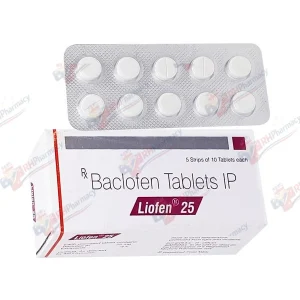
Lioresal (baclofen) is a muscle relaxant primarily used to treat spasticity resulting from multiple sclerosis, spinal cord injuries, and other spinal cord diseases. It works by acting on the central nervous system to help reduce the frequency and severity of muscle spasms. This action can lead to improved muscle movement and reduced pain associated with excessive muscle stiffness. Lioresal helps patients manage chronic, severe spasticity when other treatments have been insufficient.
Active substance: Lioresal
Delivery: 5–21 days (depending on the shipping method)
Extra 10% discount with coupon: EXTRA10
Each dosage option has its own packaging choices.
Description
Lioresal Addressing Spasticity and Muscle Rigidity in Neurological Care
Welcome to our detailed guide on Lioresal, a crucial medication for managing severe spasticity. For individuals across Australia experiencing the debilitating effects of muscle spasms and stiffness, finding effective relief is paramount to improving quality of life. This comprehensive resource is designed to provide you with all the essential information about Lioresal, from its mechanism of action to practical considerations for its use. We aim to empower you with knowledge, ensuring you make informed decisions about your health and well-being.
On this page, you will discover why Lioresal, with its active ingredient baclofen, is a trusted choice for many, and how it stands out among similar treatments. We understand the importance of accessibility and convenience for our customers in Australia, and we are committed to making essential medications available. Here, you can learn how to purchase Lioresal online, understanding that for your convenience, this medication can be acquired without a doctor prescription, offering a straightforward path to relief for many Australians seeking to manage their condition effectively.
What is Lioresal and How Does it Work?
Lioresal is a centrally acting skeletal muscle relaxant, widely recognised for its effectiveness in treating various forms of severe spasticity. The active pharmaceutical ingredient in Lioresal is baclofen, a gamma-aminobutyric acid (GABA) derivative. Spasticity is a condition characterised by muscle stiffness, tightness, or spasms, which can interfere with movement, speech, and gait. It is often a symptom of underlying neurological conditions.
The primary mechanism of action of baclofen involves its ability to mimic the effects of GABA, a natural inhibitory neurotransmitter in the central nervous system. Specifically, baclofen acts as an agonist at GABA-B receptors located in the spinal cord. By activating these receptors, baclofen helps to reduce the release of excitatory neurotransmitters in the brain and spinal cord, thereby suppressing the transmission of nerve impulses that contribute to muscle hyperactivity. This inhibitory action leads to a reduction in the frequency and severity of muscle spasms, relieving pain, improving muscle tone, and enhancing range of motion.
For many Australians living with conditions that cause spasticity, Lioresal offers significant relief, helping to restore some degree of functional independence and comfort. Its targeted action primarily on the spinal cord makes it particularly effective in managing spasticity originating from spinal lesions or diseases, a common challenge for many in Australia facing these chronic conditions. The carefully calibrated dosage, which typically starts low and is gradually increased, allows for optimal therapeutic effects while minimising potential side effects.
Key Characteristics of Lioresal
Understanding the fundamental characteristics of Lioresal is crucial for anyone considering this treatment. This table provides a quick overview of its core features:
| Characteristic | Description |
|---|---|
| Active Ingredient | Baclofen |
| Drug Class | Centrally Acting Skeletal Muscle Relaxant, GABA-B Agonist |
| Formulation | Oral Tablets (typically 10 mg, 25 mg) |
| Mechanism of Action | Reduces excitatory neurotransmitter release by activating GABA-B receptors in the spinal cord. |
| Primary Indications | Spasticity resulting from multiple sclerosis, spinal cord diseases/injuries, cerebral palsy. |
| Onset of Action | Within hours (for oral administration) |
| Half-life | 2.5 to 4 hours |
| Metabolism | Primarily hepatic (minimal metabolism), largely excreted unchanged via kidneys. |
| Availability | Available for purchase without a doctor prescription online, over the counter. |
Approved Indications for Lioresal
Lioresal is primarily indicated for the symptomatic treatment of spasticity of skeletal muscle, particularly when associated with certain neurological conditions. Its efficacy in reducing the exaggerated muscle tone, spasms, and clonus (involuntary muscle contractions) makes it a valuable therapeutic option. The approved indications include:
-
Multiple Sclerosis (MS)
MS is a chronic, often progressive disease that affects the brain and spinal cord. Spasticity is a very common and often disabling symptom of MS, affecting a significant number of individuals in Australia living with the condition. Lioresal helps to alleviate the muscle stiffness and spasms that can impair mobility, cause pain, and interfere with daily activities for MS patients. By reducing hypertonicity, baclofen can improve walking, reduce painful spasms, and make care easier.
-
Spinal Cord Injuries and Diseases
Individuals who have sustained spinal cord injuries, whether from trauma, inflammation, or degenerative conditions, frequently develop severe spasticity below the level of the lesion. This can lead to significant functional impairment. Lioresal is highly effective in managing this type of spasticity, helping to relax muscles, ease movement, and decrease the incidence of painful spasms. This is particularly relevant for those in Australia recovering from or managing long-term spinal cord damage.
-
Cerebral Palsy
Cerebral palsy is a group of permanent movement disorders that appear in early childhood. Spasticity is a predominant feature in many forms of cerebral palsy, causing muscle tightness, abnormal gait, and difficulties with fine motor skills. Lioresal can be used to manage spasticity in children and adolescents with cerebral palsy, improving their comfort, facilitating therapy, and potentially enhancing their motor function. It is important that treatment for children is carefully managed, even when acquiring Lioresal over the counter.
-
Other Spinal Cord Pathologies
Lioresal may also be prescribed for spasticity arising from other conditions affecting the spinal cord, such as infections, degenerative diseases, tumours, or inflammatory disorders that disrupt normal neurological function and lead to muscle overactivity.
It is important to reiterate that Lioresal should only be used for its approved indications. The goal of treatment with baclofen is to reduce discomfort and improve function without causing excessive muscle weakness or other unwanted side effects. Many individuals in Australia have found significant improvement in their daily lives by incorporating Lioresal into their treatment regimen for these conditions.
Dosage and Administration of Lioresal
Effective management with Lioresal requires careful dose titration to achieve the best therapeutic effect with the fewest side effects. The dosage is highly individualised, depending on the patient’s response and tolerance.
-
Initial Dosing for Adults
Treatment with Lioresal typically begins with a low dose, usually 5 mg three times a day. This cautious approach helps the body adjust to the medication and minimises initial side effects such as drowsiness or dizziness. For those who choose to buy Lioresal online, it is still advisable to start with the lowest available dose.
-
Titration
The daily dosage is then gradually increased, typically by 5 mg increments every three days, until an optimal therapeutic effect is achieved. The usual maintenance dose ranges from 30 mg to 80 mg daily, divided into three or four doses. In some cases, up to 100-120 mg daily may be necessary, but this should be approached with caution. Monitoring the response and any adverse effects is key during this phase. This methodical approach ensures that patients in Australia can find their ideal dosage.
-
Maximum Daily Dose
The maximum recommended daily dose for oral Lioresal is generally 100 mg for adults, although in exceptional circumstances, higher doses might be considered under close monitoring. It is essential not to exceed the recommended dosage without careful consideration.
-
Administration
Lioresal tablets should be taken orally with food or milk to minimise gastrointestinal upset. Consistent timing of doses helps maintain steady drug levels in the body.
-
Special Populations
- Elderly Patients: Older adults may be more sensitive to the effects of Lioresal and may require lower initial doses and slower titration.
- Patients with Renal Impairment: Since baclofen is primarily excreted unchanged by the kidneys, patients with impaired kidney function will require significant dose reduction to prevent accumulation and toxicity.
- Children: Dosage for children needs to be carefully determined based on body weight and response. Typically, it starts at 0.3 mg/kg/day in divided doses, slowly increasing, with a usual maximum of 2.5 mg/kg/day or 100 mg/day, whichever is less.
-
Discontinuation
Abrupt discontinuation of Lioresal can lead to withdrawal symptoms, including hallucinations, seizures, increased spasticity, and rebound muscle rigidity. Therefore, treatment should always be tapered off gradually over 1-2 weeks, unless rapid discontinuation is necessitated by a severe adverse reaction. This is an important consideration for anyone in Australia who decides to order Lioresal for long-term use.
While Lioresal can be acquired without prescription, adherence to these dosing guidelines is crucial for safe and effective treatment. Monitoring your body’s response and any changes in symptoms is essential. For those seeking to purchase Lioresal in Australia, understanding these guidelines is a key part of responsible self-management.
Potential Side Effects of Lioresal
Like all medications, Lioresal can cause side effects, although not everyone experiences them. Most side effects are dose-dependent and can often be managed by adjusting the dosage. Being aware of potential side effects is important for any individual considering to buy Lioresal.
-
Common Side Effects (may affect more than 1 in 10 people):
- Drowsiness or Sedation: This is the most common side effect, especially at the start of treatment. It can impair the ability to drive or operate machinery.
- Dizziness: A feeling of lightheadedness or unsteadiness.
- Weakness or Fatigue: General tiredness and muscle weakness.
- Nausea: Feeling sick to the stomach.
- Headache: Mild to moderate head pain.
- Insomnia: Difficulty falling or staying asleep.
-
Less Common Side Effects (may affect up to 1 in 100 people):
- Confusion or Agitation: Mental fogginess or restlessness.
- Depression: Feelings of sadness or loss of interest.
- Dry Mouth: Reduced saliva production.
- Constipation or Diarrhoea: Changes in bowel habits.
- Low Blood Pressure (Hypotension): Can cause dizziness or fainting.
- Urinary Problems: Increased frequency, urgency, or difficulty urinating.
- Sweating: Increased perspiration.
- Rash: Skin eruptions.
-
Rare or Serious Side Effects (may affect up to 1 in 1,000 people or fewer):
- Seizures: Particularly in patients with a history of epilepsy or upon abrupt withdrawal.
- Hallucinations: Seeing or hearing things that aren’t there.
- Psychotic Reactions: Severe mental disturbances.
- Respiratory Depression: Slow or shallow breathing, especially with high doses or in sensitive individuals.
- Liver Function Abnormalities: Rarely, elevated liver enzymes.
- Sexual Dysfunction: Impotence or reduced libido.
If you experience any severe or persistent side effects, especially after you order Lioresal and begin treatment, it is important to monitor your condition closely. Abruptly stopping Lioresal can lead to serious withdrawal symptoms, including rebound spasticity, hallucinations, and seizures. Therefore, if you need to discontinue the medication, it should always be done gradually under careful observation. Many Australians find the benefits of Lioresal outweigh the manageable side effects, particularly when the dosage is carefully adjusted to their individual needs.
Drug Interactions with Lioresal
It is important to be aware of potential drug interactions when using Lioresal, as they can alter the effectiveness of Lioresal or other medications, or increase the risk of side effects. While you can obtain Lioresal without prescription, understanding these interactions is crucial for your safety.
-
Central Nervous System (CNS) Depressants
Concomitant use of Lioresal with other CNS depressants, such as alcohol, benzodiazepines (e.g., diazepam), opioids, tricyclic antidepressants, and other muscle relaxants, can lead to increased sedation, drowsiness, and respiratory depression. This combination can significantly impair cognitive function and physical coordination. Exercise extreme caution if combining these substances after you buy Lioresal.
-
Antihypertensive Agents
Lioresal can sometimes cause a reduction in blood pressure. When taken with antihypertensive medications (drugs used to lower blood pressure), there may be an additive hypotensive effect, leading to dizziness or fainting. Blood pressure should be monitored if these medications are used together.
-
Levodopa/Carbidopa
In patients with Parkinson’s disease, the concurrent use of Lioresal with levodopa and carbidopa has been reported to cause increased confusion, hallucinations, and agitation. This interaction is particularly relevant for certain segments of the Australian population managing multiple conditions.
-
Tricyclic Antidepressants (TCAs)
Using Lioresal with TCAs may potentiate the muscle relaxant effects and increase the risk of sedation.
-
Lithium
Cases of enhanced side effects, including motor incoordination and mental confusion, have been reported with the concomitant use of Lioresal and lithium.
-
NSAIDs (Non-Steroidal Anti-Inflammatory Drugs)
While not a direct interaction, some NSAIDs can affect kidney function, which is relevant because *baclofen* is primarily excreted by the kidneys. Impaired renal function could lead to *baclofen* accumulation and increased toxicity.
-
Other Spasmolytics
Combining Lioresal with other drugs designed to reduce muscle spasms, such as tizanidine or cyclobenzaprine, can increase the risk of CNS depression and other adverse effects. While we offer Lioresal over the counter, caution is advised.
Always inform yourself about all medications, supplements, and herbal remedies you are taking before starting any new treatment, even when you purchase Lioresal without prescription. This proactive approach helps to minimise potential risks and ensures the safest possible use of Lioresal for individuals in Australia.
Contraindications and Precautions
While Lioresal is an effective treatment, it is not suitable for everyone. Certain conditions or circumstances may contraindicate its use or require special precautions. Even when you order Lioresal with ease, awareness of these factors is essential.
-
Contraindications:
- Hypersensitivity: Individuals with a known allergy to baclofen or any other components of Lioresal should not use this medication.
- Active Peptic Ulcer: Caution is advised, as Lioresal can sometimes exacerbate gastrointestinal issues.
-
Precautions:
- Epilepsy/Seizure Disorders: Lioresal should be used with extreme caution in patients with a history of epilepsy or seizure disorders, as it can lower the seizure threshold, potentially increasing seizure frequency. Close monitoring is required.
- Renal Impairment: As *baclofen* is predominantly eliminated unchanged via the kidneys, patients with impaired renal function require significant dosage adjustments to avoid accumulation and toxicity. Lower doses and careful monitoring are imperative. This is an important consideration for many in Australia with kidney health concerns.
- Elderly Patients: Older adults may be more susceptible to the central nervous system depressant effects of Lioresal, such as sedation, dizziness, and confusion. A lower starting dose and slower titration are recommended.
- Cerebrovascular Disease: Patients with a history of stroke or other cerebrovascular diseases may respond poorly to Lioresal and may be at higher risk of adverse effects.
- Psychotic Disorders or Schizophrenia: Lioresal can exacerbate symptoms in patients with psychiatric conditions, including psychotic disorders, schizophrenia, or confusional states. Use with caution.
- Diabetes Mellitus: Lioresal has been reported to elevate blood glucose levels in some diabetic patients. Blood glucose should be monitored more closely.
- Impaired Respiratory Function: Due to its potential to cause respiratory depression, Lioresal should be used cautiously in patients with pre-existing respiratory insufficiency or obstructive pulmonary disease.
- Liver Disease: While *baclofen* is minimally metabolised by the liver, caution is advised in patients with severe liver impairment.
- Abrupt Withdrawal: Never stop Lioresal abruptly. Gradual dose reduction is essential to prevent severe withdrawal symptoms, including rebound spasticity, hallucinations, and seizures. This is a critical safety point for anyone using Lioresal in Australia.
When you purchase Lioresal over the counter, it is your responsibility to be aware of your medical history and any pre-existing conditions that might make Lioresal unsuitable or require careful management. This information empowers you to use Lioresal safely and effectively.
Overdose Information
An overdose of Lioresal can be serious and potentially life-threatening. If an overdose is suspected, immediate attention is crucial. Symptoms of Lioresal overdose are primarily extensions of its pharmacological effects and can include:
-
Common Signs of Overdose:
- Severe Drowsiness or Coma: Profound sedation, difficulty waking up, or complete unconsciousness.
- Respiratory Depression: Slow, shallow, or laboured breathing, which can lead to respiratory arrest.
- Hypotension: Dangerously low blood pressure.
- Bradycardia: Slow heart rate.
- Hypothermia: Abnormally low body temperature.
- Muscle Hypotonia: Severe muscle weakness or flaccidity.
- Seizures: Especially in individuals predisposed to them.
- Absent Reflexes: Diminished or absent deep tendon reflexes.
-
Management of Overdose:
There is no specific antidote for Lioresal overdose. Treatment is primarily supportive. This may involve:
- Maintaining Airway and Breathing: Ensuring a clear airway, providing oxygen, and possibly mechanical ventilation if respiratory depression is severe.
- Blood Pressure Support: Administering intravenous fluids or vasopressors to manage hypotension.
- Gastric Decontamination: If the overdose is recent, gastric lavage or activated charcoal may be considered to reduce drug absorption.
- Seizure Control: Administering benzodiazepines or other anticonvulsants if seizures occur.
- Temperature Regulation: Warming measures for hypothermia.
- Renal Elimination: Enhancing the elimination of baclofen through measures like forced diuresis, although this is generally only effective in patients with normal kidney function. Dialysis may be considered in severe cases, particularly for patients with renal impairment, to remove circulating baclofen.
While you can buy Lioresal online, it is crucial to adhere to recommended dosages and keep the medication out of reach of children and others for whom it is not prescribed. Awareness of overdose symptoms and prompt action are vital for safety, particularly for families across Australia managing health needs.
Storage Guidelines
Proper storage of Lioresal is essential to maintain its potency and ensure its safety. Follow these guidelines for optimal storage:
- Room Temperature: Store Lioresal tablets at room temperature, typically between 20°C and 25°C (68°F and 77°F). Avoid extreme heat or cold.
- Keep Dry: Protect the medication from moisture and humidity. Do not store it in the bathroom or other damp areas.
- Light Protection: Keep the tablets in their original packaging, protected from direct light.
- Child-Resistant Container: Always store Lioresal in a child-resistant container and keep it out of the reach of children and pets. Accidental ingestion can be dangerous, especially for children.
- Do Not Use Expired Medication: Check the expiration date on the package. Do not use Lioresal if it has expired, as its effectiveness may be reduced, and it could potentially be harmful.
By following these simple storage instructions, you can ensure that your Lioresal remains effective and safe throughout its shelf life, a key aspect of responsible medication management for any resident in Australia who chooses to purchase Lioresal.
Lioresal vs. Popular Analogs: A Comparison
When considering muscle relaxants for spasticity, patients and caregivers often look at various options. Lioresal (baclofen) is a well-established treatment, but how does it compare to other commonly used muscle relaxants like Tizanidine (Zanaflex) and Cyclobenzaprine (Flexeril)? This comparison highlights their key differences and Lioresal‘s advantages.
| Feature | Lioresal (Baclofen) | Tizanidine (Zanaflex) | Cyclobenzaprine (Flexeril) |
|---|---|---|---|
| Active Ingredient | Baclofen | Tizanidine | Cyclobenzaprine |
| Drug Class | Centrally Acting Skeletal Muscle Relaxant (GABA-B Agonist) | Alpha-2 Adrenergic Agonist (Centrally Acting Muscle Relaxant) | Centrally Acting Skeletal Muscle Relaxant (Chemically related to TCAs) |
| Primary Mechanism | Inhibits polysynaptic and monosynaptic reflexes at spinal cord level by activating GABA-B receptors. | Increases presynaptic inhibition of motor neurons by activating alpha-2 adrenergic receptors. | Acts on brainstem to reduce tonic somatic motor activity. |
| Key Indications | Severe spasticity (MS, spinal cord injury/disease, cerebral palsy). | Spasticity (MS, spinal cord injury). | Muscle spasm associated with acute, painful musculoskeletal conditions. |
| Sedation Potential | Moderate to High (dose-dependent) | Moderate to High | High |
| Advantages of Lioresal |
Proven efficacy for severe chronic spasticity, especially spinal origin. Well-tolerated long-term for many. Less likely to cause cardiovascular side effects compared to Tizanidine. |
Non-sedating in lower doses, can be used for acute spasms. | Effective for acute muscle spasms, good for short-term use. |
| Disadvantages | Withdrawal syndrome upon abrupt discontinuation. Potential for severe CNS depression. | Liver toxicity, hypotension, dry mouth. Withdrawal syndrome. | High sedation, anticholinergic side effects (dry mouth, blurred vision, constipation), generally not for chronic spasticity. |
| Dosage Form | Oral tablets (10 mg, 25 mg) | Oral tablets (2 mg, 4 mg) | Oral tablets (5 mg, 10 mg) |
Why Lioresal Stands Out:
Lioresal is particularly advantageous for its targeted efficacy in managing severe and chronic spasticity resulting from neurological conditions such as Multiple Sclerosis and spinal cord injuries. While Tizanidine is also effective for spasticity, it carries a higher risk of liver enzyme elevations and significant hypotension, which can be challenging for some patients. Cyclobenzaprine, on the other hand, is primarily indicated for acute musculoskeletal spasms and is generally not recommended for chronic spasticity due to its significant sedative and anticholinergic side effects and its mechanism being less specific for spinal reflex inhibition. For individuals in Australia seeking consistent and reliable relief from debilitating chronic spasticity, Lioresal often presents a more suitable long-term solution due to its well-understood profile and efficacy for these specific conditions. Its ability to be gradually titrated to an optimal dose also allows for better patient compliance and reduced side effects compared to some alternatives, making it a preferred choice for many seeking to manage their symptoms effectively, and available to order over the counter for convenience.
Popular Questions About Lioresal and Answers
To further assist our customers in Australia, we’ve compiled answers to some of the most frequently asked questions about Lioresal.
-
How long does it take for Lioresal to work?
Lioresal typically begins to exert its muscle relaxant effects within a few hours of an oral dose. However, the full therapeutic benefit for reducing spasticity and improving function usually develops gradually over several days to weeks as the dose is slowly increased to an effective level. Patience with the titration process is key.
-
Can Lioresal be taken with food?
Yes, Lioresal tablets should ideally be taken with food or milk. This can help to minimise the risk of gastrointestinal upset, such as nausea, which some individuals may experience, particularly when starting treatment. This is a common recommendation for many medications, including those you can buy without prescription.
-
What happens if I miss a dose of Lioresal?
If you miss a dose of Lioresal, take it as soon as you remember, unless it is almost time for your next scheduled dose. In that case, skip the missed dose and continue with your regular dosing schedule. Do not take a double dose to make up for a missed one, as this can increase the risk of side effects. Consistency is important, particularly for those in Australia managing chronic conditions.
-
Is Lioresal addictive?
Lioresal is not typically considered addictive in the same way as opioids or benzodiazepines. However, abrupt discontinuation after prolonged use can lead to a withdrawal syndrome characterised by increased spasticity, hallucinations, seizures, and other severe symptoms. Therefore, it is crucial to taper off the dose gradually if discontinuing the medication.
-
Can I drive while taking Lioresal?
Due to the potential for Lioresal to cause drowsiness, dizziness, and impaired coordination, especially at the beginning of treatment or after a dose increase, it is strongly advised to exercise caution when driving or operating machinery. You should know how Lioresal affects you before engaging in activities that require alertness. This is a vital safety consideration for anyone in Australia using this medication.
-
Can Lioresal affect my sleep?
While Lioresal often causes drowsiness, which might seem to aid sleep, some individuals actually experience insomnia or disturbed sleep as a side effect. It can also cause nightmares or vivid dreams. If sleep disturbances become problematic, discuss them with your healthcare provider, even if you acquired the medication over the counter.
-
How long can I take Lioresal for?
Lioresal is often used for long-term management of chronic spasticity. The duration of treatment depends on the individual’s condition and response to the medication. Many people use Lioresal for years to manage their symptoms effectively. Regular review of the treatment plan is advisable.
-
What should I do if Lioresal isn’t working for my spasticity?
If you find that Lioresal is not adequately controlling your spasticity, or if side effects are too severe, it may be necessary to reconsider your treatment strategy. This could involve dose adjustments, trying a different muscle relaxant, or exploring other therapies. Although you can purchase Lioresal without prescription, monitoring its effectiveness is key.
-
Can Lioresal cause depression?
Depression is listed as a less common side effect of Lioresal. If you notice a worsening of mood or symptoms of depression while taking Lioresal, it is important to pay attention to these changes. Many Australians seek to maintain their mental and physical well-being concurrently.
-
Where does the medication come from when I order Lioresal online?
When you order Lioresal through our platform, your medication may be sourced from various reputable international suppliers. Common origins include India and Singapore, and sometimes from Hong Kong, the UAE, or Europe. We ensure all products meet stringent quality standards before being dispatched to customers in Australia.
Customer Testimonials
Hear what our satisfied Australian customers have to say about their experience with Lioresal:
-
Review from Sarah, Sydney, NSW:
“Living with MS in Australia has meant constantly battling severe leg spasticity, which made even simple tasks incredibly challenging. I started using Lioresal, and honestly, it’s been a game-changer. The stiffness and painful spasms have reduced dramatically, allowing me to move with much more freedom and less discomfort. I was initially hesitant about getting medication online, but the process to buy Lioresal without prescription was so straightforward, and the delivery to Sydney was reliable. I feel like I’ve got a part of my life back, and I can engage more with my family and community. I highly recommend Lioresal for anyone else struggling with similar issues.”
-
Review from Michael, Perth, WA:
“After a spinal cord injury years ago, chronic spasticity in my back and legs became a persistent problem. It made sleeping difficult and physiotherapy painful. I decided to order Lioresal after hearing good things, and I’m so glad I did. The relief from the constant tightness is significant. I’ve noticed a real improvement in my ability to perform daily stretches and exercises, which is crucial for my rehabilitation. The convenience of being able to purchase Lioresal online, without the usual hassle, and have it delivered to Perth from overseas has been invaluable. This medication has truly enhanced my comfort and contributes greatly to my ongoing recovery here in Western Australia.”
Why Choose Us for Your Lioresal Needs?
For those in Australia seeking effective relief from spasticity, choosing a trusted source for your medication is paramount. We understand the unique needs of our customers and strive to provide a service that is both convenient and reliable. When you decide to buy Lioresal through our online platform, you are choosing a streamlined and accessible process designed with your well-being in mind.
We pride ourselves on making essential medications like Lioresal readily available. Our commitment means you can acquire Lioresal absolutely freely – without the need for a prescription or specialist consultation. This over the counter (OTC) approach simplifies the process, allowing you to quickly order the relief you need. We understand that for many, navigating traditional healthcare pathways can be time-consuming, and our service offers a direct alternative.
Our global sourcing network ensures that your Lioresal (baclofen) comes from reputable international suppliers, frequently from India and Singapore, and sometimes from Hong Kong, the UAE, or Europe. This broad reach allows us to maintain stock and provide consistent availability, ensuring that Australians can always find the relief they need. The ability to purchase Lioresal online, without a doctor prescription (no rx), underscores our dedication to convenience and accessibility.
Whether you’re managing multiple sclerosis, spinal cord injury, or cerebral palsy, our goal is to support your journey to better health. We invite you to experience the ease and reliability of obtaining your Lioresal here. Make the choice today to improve your quality of life, and let us be your trusted partner in managing spasticity with Lioresal in Australia.
Additional information
| Dosage |
10mg ,25mg |
|---|---|
| Package |
30 pills ,60 pills ,90 pills ,120 pills ,180 pills ,270 pills ,360 pills |
| Ενεργός Ουσία |