-46%


Symbicort Turbuhaler 60MD
Price range: $ 169,19 through $ 880,36
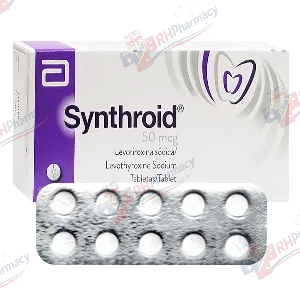
Synthroid
Price range: $ 137,65 through $ 375,66
Symmetrel
Price range: $ 67,39 through $ 438,75
Symmetrel (amantadine hydrochloride) is a medication primarily used for the treatment of Parkinson’s disease, helping to reduce symptoms such as stiffness and tremors. It is also indicated for the prevention and treatment of respiratory illness caused by influenza A virus strains. Symmetrel works by affecting certain chemical messengers in the brain and by interfering with the replication of the influenza A virus. This dual-action makes it a valuable option for managing specific neurological conditions and for antiviral prophylaxis. Consult the enclosed product information leaflet for detailed dosage and administration guidelines.
Active substance: Amantadine
Delivery: 5–21 days (depending on the shipping method)
Extra 10% discount with coupon: EXTRA10
Each dosage option has its own packaging choices.
Description
Symmetrel Amantadine Understanding Its Dual Action Against Parkinson’s and Influenza A
Welcome to your essential resource for understanding Symmetrel, a trusted medication that has served patients across various health needs for decades. For individuals in Australia seeking effective solutions for specific neurological conditions and certain viral challenges, Symmetrel offers a unique pharmacological profile. This detailed guide aims to provide a thorough overview of *amantadine*, its active ingredient, covering its uses, benefits, and how you can readily access this vital treatment.
We understand the importance of convenient access to essential medicines. Here, you have the opportunity to buy Symmetrel directly, making it easier than ever to manage your health needs. We are committed to offering a streamlined process for our Australian customers, enabling you to order this medication online with confidence and ease. Our goal is to ensure you have all the information necessary to make an informed decision about integrating Symmetrel into your health regimen, supporting your journey towards improved well-being.
Understanding Symmetrel: Amantadine and Its Therapeutic Reach
Symmetrel, also known by its generic name *amantadine*, is a medication with a fascinating dual role in the medical landscape. Initially recognized for its antiviral properties, particularly against Influenza A, its primary therapeutic utility expanded significantly when it was discovered to be effective in treating Parkinson’s disease and drug-induced extrapyramidal symptoms. This unique versatility makes *amantadine* a valuable agent in various clinical scenarios, offering relief and improved quality of life for many patients.
The precise mechanisms by which *amantadine* exerts its therapeutic effects are complex and multifactorial. In the context of Parkinson’s disease, it is believed to act by influencing dopamine neurotransmission. It is thought to increase dopamine release from presynaptic nerve terminals and inhibit its reuptake, thereby enhancing dopaminergic activity in the brain. Furthermore, *amantadine* possesses anticholinergic properties and is an N-methyl-D-aspartate (NMDA) receptor antagonist. This NMDA antagonism is particularly relevant to its efficacy in managing dyskinesias, involuntary movements that can arise as a side effect of long-term levodopa therapy in Parkinson’s patients. By blocking NMDA receptors, *amantadine* can modulate glutamatergic overactivity, which is implicated in the development of these challenging movement disorders.
For drug-induced extrapyramidal symptoms, which are often caused by antipsychotic medications, *amantadine*’s ability to rebalance neurotransmitter systems, particularly dopamine and acetylcholine, helps to alleviate symptoms such as akathisia (restlessness), dystonia (sustained muscle contractions), and pseudoparkinsonism (tremor, rigidity, bradykinesia). Its action here is to counteract the dopamine-blocking effects of the causative medications.
While its antiviral use against Influenza A has become less common due to the development of viral resistance and the availability of newer antiviral agents, it remains an approved indication. In this capacity, *amantadine* interferes with the replication cycle of the Influenza A virus, specifically targeting the M2 protein, which is essential for viral uncoating. This prevents the virus from releasing its genetic material into the host cell, thus inhibiting replication.
Approved Indications for Symmetrel
Symmetrel is approved for several important medical conditions:
- Parkinson’s Disease: *Amantadine* is used in the treatment of various forms of parkinsonism, including idiopathic Parkinson’s disease, postencephalitic parkinsonism, and symptomatic parkinsonism which may follow injury to the nervous system by carbon monoxide intoxication. It is often used as monotherapy in early stages or as an adjunct to levodopa therapy in later stages to reduce levodopa-induced dyskinesia and improve motor fluctuations.
- Drug-Induced Extrapyramidal Reactions: This includes the control of extrapyramidal symptoms (except tardive dyskinesia) caused by drugs, typically antipsychotics, that affect the central nervous system. These symptoms can manifest as tremors, rigidity, restlessness (akathisia), and involuntary muscle contractions (dystonia).
- Prophylaxis and Treatment of Influenza A Virus Illness: Although its use has diminished, *amantadine* is approved for the prevention and treatment of respiratory tract illness caused by various strains of Influenza A virus. It is important to note that current guidelines for influenza management often recommend other antiviral agents due to resistance patterns.
For Australian patients, access to medications like Symmetrel is crucial for managing these conditions effectively. Understanding its specific applications allows for targeted and appropriate use.
Dosage and Administration of Symmetrel
The dosage of Symmetrel (amantadine) is highly individualized and depends on the specific condition being treated, the patient’s response, and their overall health, including renal function. Typically, treatment begins with a lower dose, which is then gradually increased to achieve the optimal therapeutic effect while minimizing side effects. It is usually administered orally, with or without food.
For Parkinson’s disease, a common starting dose might be 100 mg once or twice daily, which can be increased to a maximum of 400 mg per day in divided doses. When used for drug-induced extrapyramidal reactions, the dosage is often similar. For influenza prophylaxis or treatment, the recommended dose is generally 100 mg twice daily. Patients with impaired renal function will require dose adjustments to prevent accumulation of the drug and potential toxicity. It is always important to adhere to prescribed guidelines or information provided on the product packaging, especially when considering the dose and duration of treatment.
Potential Side Effects
Like all medications, Symmetrel can cause side effects, although not everyone experiences them. Most side effects are mild and transient, particularly when the drug is started at a low dose and gradually increased. Common side effects include:
- Nausea
- Dizziness, lightheadedness
- Insomnia, nervousness
- Dry mouth
- Constipation
- Ankle swelling (peripheral edema)
- Livedo reticularis (a reddish-blue mottled discoloration of the skin, particularly on the legs and arms)
More serious, though less common, side effects can occur. These may include confusion, hallucinations, depression, seizures, and heart problems. If you experience any severe or persistent side effects, or notice any unusual symptoms, it is advisable to seek medical attention. It is important to be aware of these possibilities when you choose to buy and use Symmetrel.
Contraindications and Precautions
Symmetrel should not be used in individuals who have a known hypersensitivity to *amantadine* or any components of the formulation. Caution is advised in patients with a history of congestive heart failure, peripheral edema, orthostatic hypotension, renal impairment, epilepsy or other seizure disorders, and psychiatric disorders. Pregnant or breastfeeding women should also exercise caution and discuss the potential risks and benefits. It is crucial to consider all existing health conditions before deciding to order Symmetrel.
Drug Interactions
Amantadine can interact with other medications, potentially altering their effects or increasing the risk of side effects. Notable interactions include:
- Anticholinergic drugs: Co-administration can intensify anticholinergic side effects such as dry mouth, blurred vision, and confusion.
- CNS stimulants: May increase the risk of CNS excitability and seizures.
- Thiazide diuretics: Can reduce the renal clearance of *amantadine*, leading to increased plasma levels and potential toxicity.
- Alcohol: Concomitant use with alcohol may enhance CNS side effects.
Always review any other medications you are taking to ensure there are no contraindications or potential interactions. This is a vital step in ensuring your safety when you purchase Symmetrel.
Storage of Symmetrel
Symmetrel should be stored at room temperature, away from moisture and direct light. Keep it out of reach of children and pets. Do not store it in the bathroom. Proper storage ensures the medication retains its efficacy throughout its shelf life.
Table 1: Key Characteristics of Symmetrel (Amantadine)
| Active Ingredient | Amantadine hydrochloride |
| Drug Class | Dopaminergic agent, NMDA receptor antagonist, Antiviral |
| Primary Indications | Parkinson’s disease, Drug-induced extrapyramidal symptoms, Influenza A prophylaxis/treatment |
| Mechanism of Action | Increases dopamine release, inhibits dopamine reuptake, NMDA receptor antagonism, interferes with Influenza A viral uncoating |
| Formulation | Oral capsule/tablet |
| Common Side Effects | Nausea, dizziness, insomnia, dry mouth, livedo reticularis, peripheral edema |
| Onset of Action | Varied; antiviral effects can be rapid, Parkinson’s effects develop over days to weeks |
| Half-life | Approximately 10-14 hours (longer in renal impairment) |
Comparing Symmetrel with Other Therapeutic Options
Understanding where Symmetrel fits within the broader landscape of treatments for Parkinson’s disease and antiviral therapy is crucial. While *amantadine* offers unique benefits, it’s helpful to compare its profile with other commonly used medications. For Parkinson’s, dopamine agonists and levodopa are cornerstone treatments. For influenza, newer antivirals are often preferred. This comparison will highlight the distinct advantages of *amantadine* for specific patient needs, particularly for those in Australia seeking diverse treatment options.
Symmetrel vs. Dopamine Agonists (e.g., Pramipexole) for Parkinson’s Disease
Dopamine agonists like pramipexole directly stimulate dopamine receptors in the brain, mimicking the effects of dopamine. They are often used as initial therapy for Parkinson’s disease or as adjunctive therapy to levodopa. While highly effective at improving motor symptoms, they can be associated with side effects such as compulsive behaviors, somnolence, and impulse control disorders.
Symmetrel, in contrast, works differently by promoting dopamine release and blocking its reuptake, as well as its NMDA antagonist properties. A key advantage of *amantadine* is its established efficacy in reducing levodopa-induced dyskinesia, a debilitating complication that dopamine agonists do not address. For patients experiencing these involuntary movements, Symmetrel can be a transformative addition to their regimen. Additionally, *amantadine* may offer a milder side effect profile compared to the more potent dopamine agonists, making it a suitable choice for early-stage Parkinson’s or as an adjunct without intensifying other drug-related side effects. Its accessibility as an over the counter option in some instances further distinguishes it.
Symmetrel vs. Newer Antivirals (e.g., Oseltamivir) for Influenza A
Oseltamivir (Tamiflu) is a neuraminidase inhibitor, a class of antivirals that prevent the influenza virus from spreading from infected cells to healthy ones. It is effective against both Influenza A and B and is generally the preferred choice for influenza treatment and prophylaxis due to broader coverage and lower resistance rates compared to *amantadine*.
While the role of Symmetrel as a primary antiviral for influenza has diminished due to widespread resistance among circulating strains of Influenza A, it is still an approved indication and may be considered in specific, limited circumstances, perhaps when local susceptibility data supports its use, or as an alternative in cases of intolerance to other antivirals. Its mechanism of action, targeting the M2 protein, differs from neuraminidase inhibitors, offering a distinct pathway for viral inhibition. For those seeking a comprehensive understanding of options, knowing that *amantadine* has historically served in this capacity remains relevant. For individuals in Australia, having a full range of knowledge about potential treatments is empowering.
Table 2: Comparison of Symmetrel with Analogues
| Feature | Symmetrel (Amantadine) | Pramipexole (Dopamine Agonist) | Oseltamivir (Neuraminidase Inhibitor) |
| Primary Use (Parkinson’s) | Early Parkinson’s, adjunctive for motor symptoms, highly effective for levodopa-induced dyskinesia | Early Parkinson’s, advanced Parkinson’s (adjunctive), primary for motor symptoms | Not indicated for Parkinson’s |
| Primary Use (Influenza) | Prophylaxis & treatment of Influenza A (limited by resistance) | Not indicated for Influenza | Prophylaxis & treatment of Influenza A & B |
| Mechanism of Action | Dopamine release/reuptake inhibition, NMDA antagonism, M2 protein inhibition | Direct dopamine receptor agonism | Neuraminidase inhibition (prevents viral release) |
| Key Advantage of Symmetrel | Unique efficacy against levodopa-induced dyskinesia; dual-action profile; often well-tolerated as adjunctive therapy. | Strong efficacy for core motor symptoms; non-dopamine-containing. | Broad efficacy against Influenza A & B; generally low resistance rates. |
| Common Side Effects | Nausea, dizziness, insomnia, livedo reticularis, peripheral edema | Nausea, dizziness, somnolence, impulse control disorders, orthostatic hypotension | Nausea, vomiting, headache |
| Accessibility | Available to buy over the counter in our online pharmacy without prescription. | Typically requires prescription. | Typically requires prescription. |
Why Choose Us to Purchase Symmetrel in Australia?
When you decide to buy Symmetrel, you want assurance of quality, reliability, and convenience. Our online platform offers a seamless experience for customers throughout Australia. We understand the need for accessible medication, and we are proud to offer Symmetrel completely over the counter. This means you can purchase this essential medication absolutely freely – without a prescription and without the need for a specialist consultation. This unparalleled ease of access ensures that individuals who need *amantadine* can obtain it without unnecessary hurdles.
We make it simple to order Symmetrel online. Our intuitive website allows you to easily find the product, place your order, and have it delivered directly to your door anywhere in Australia. The process is designed for your convenience, saving you time and effort.
Our commitment extends to providing high-quality medications. We source our Symmetrel from trusted manufacturers in various countries, primarily India and Singapore, known for their robust pharmaceutical industries. Occasionally, shipments may also originate from Hong Kong, the UAE, or Europe, ensuring a consistent supply of genuine and effective medication. This global sourcing strategy allows us to maintain stock and offer competitive pricing, making it easier for you to access the treatments you need. When you purchase from us, you’re not just buying a product; you’re investing in a service dedicated to your well-being.
The ability to acquire Symmetrel without a doctor prescription or no rx streamlines your healthcare journey, particularly for those who are already familiar with their condition and medication needs. Our no prescription policy reflects our dedication to empowering Australian customers with direct access to vital medicines. Choosing to buy Symmetrel from us means choosing an easy, reliable, and straightforward path to managing your health. We are your trusted partner for obtaining Symmetrel online, offering you peace of mind with every purchase.
Frequently Asked Questions About Symmetrel
1. What is the primary active ingredient in Symmetrel?
The primary active ingredient in Symmetrel is *amantadine hydrochloride*.
2. Can Symmetrel help with involuntary movements caused by Parkinson’s medication?
Yes, Symmetrel is particularly effective in treating levodopa-induced dyskinesia, which are involuntary movements that can occur in patients with Parkinson’s disease who are on long-term levodopa therapy.
3. How long does it take for Symmetrel to start working for Parkinson’s symptoms?
For Parkinson’s symptoms, the effects of Symmetrel can often be noticed within a few days to a couple of weeks, with optimal benefits developing over time as the dosage is adjusted.
4. Is Symmetrel still used for influenza?
While Symmetrel is an approved indication for Influenza A, its use has become limited due to the prevalence of drug-resistant viral strains. Newer antiviral medications are typically preferred, but it remains an option in specific circumstances.
5. What are the most common side effects of Symmetrel?
Common side effects of Symmetrel include nausea, dizziness, insomnia, dry mouth, constipation, ankle swelling (peripheral edema), and a skin discoloration called livedo reticularis.
6. Can Symmetrel be taken with other Parkinson’s medications?
Yes, Symmetrel is frequently used as an adjunct to other Parkinson’s medications, such as levodopa, to enhance their effects or manage specific side effects like dyskinesia. However, potential interactions should always be considered.
7. How should I store Symmetrel?
Symmetrel should be stored at room temperature, protected from moisture and light, and kept out of reach of children and pets.
8. Can Symmetrel affect my sleep?
Insomnia is a known side effect of Symmetrel. If you experience difficulty sleeping, it may be helpful to take the medication earlier in the day.
9. What should I do if I miss a dose of Symmetrel?
If you miss a dose of Symmetrel, take it as soon as you remember. If it is close to the time for your next scheduled dose, skip the missed dose and resume your regular dosing schedule. Do not take a double dose to make up for a missed one.
10. Can Symmetrel cause confusion or hallucinations?
While less common, Symmetrel can, in some individuals, cause central nervous system effects such as confusion, hallucinations, or nervousness, particularly at higher doses or in sensitive individuals. If these symptoms occur, it’s advisable to cease use and consult medical advice if concerns arise.
Positive Experiences with Symmetrel: Customer Testimonials
We are delighted to share the positive feedback from our valued customers in Australia who have experienced the benefits of Symmetrel. Their stories highlight the real-world impact this medication has had on their lives.
Customer Review 1: Sarah M., Melbourne, Australia
“Living with Parkinson’s has its challenges, especially when the side effects of other medications started to become quite bothersome. I started experiencing significant involuntary movements, which made daily tasks incredibly difficult. My specialist recommended *amantadine* to help, and after doing my research, I found this online pharmacy where I could easily purchase Symmetrel without a prescription. I was so relieved to find such an accessible option in Australia. Since starting Symmetrel, the dyskinesias have notably reduced, allowing me to regain more control over my movements. It has truly improved my quality of life. The whole process to buy this over the counter was straightforward, and delivery was prompt. I highly recommend it!”
Customer Review 2: David P., Sydney, Australia
“I’ve been managing drug-induced extrapyramidal symptoms for a while, and finding a consistent, reliable source for my medication has always been a concern. When I learned I could order Symmetrel online and have it shipped to me in Sydney without the hassle of getting a new prescription every time, it was a game-changer. The medication itself has been very effective in reducing my tremors and stiffness, making me feel much more comfortable and able to go about my day. The ability to simply purchase what I need directly, knowing it ships from places like India or Singapore, gives me great peace of mind. It’s a huge relief to have this convenient and accessible option for my healthcare needs in Australia.”
These testimonials underscore our commitment to providing accessible, reliable, and effective solutions for our customers. We encourage you to experience the convenience and benefits of purchasing Symmetrel from us today. Your health and well-being are our priority, and we strive to make essential medications readily available across Australia.
Additional information
| Dosage |
100mg |
|---|---|
| Package |
30 pills ,60 pills ,90 pills ,120 pills ,180 pills ,270 pills ,360 pills |
| Ενεργός Ουσία |