-22%

Diflucan
Price range: $ 149,16 through $ 1 593,40
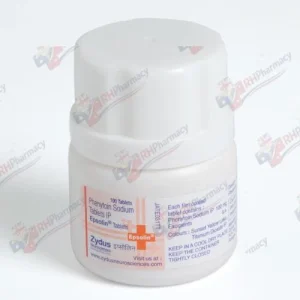
Dilantin
Price range: $ 124,78 through $ 496,23
Digoxin
Price range: $ 134,81 through $ 423,09
Digoxin is a cardiac glycoside medication primarily used to treat various heart conditions. It helps to strengthen the force of the heart muscle’s contractions, improving pumping efficiency. Key indications include managing atrial fibrillation, where it helps control the heart rate. It is also used in the treatment of heart failure, particularly when associated with systolic dysfunction. Digoxin works by affecting the movement of ions like sodium and potassium in heart muscle cells.
Active substance: digoxin
Delivery: 5–21 days (depending on the shipping method)
Extra 10% discount with coupon: EXTRA10
Each dosage option has its own packaging choices.
Description
Digoxin A Cardiac Glycoside Exploring Its Mechanisms Uses And Managing Toxicity Risks
Welcome to our comprehensive guide on Digoxin, an essential medication widely used in Australia and globally for managing certain heart conditions. This detailed overview aims to provide you with all the necessary information about this vital drug, ensuring you feel informed and confident when you choose to buy your medication online.
For individuals in Australia seeking effective solutions for specific cardiac issues, understanding Digoxin is key. We are committed to offering a straightforward path to acquire this important medication, making it accessible to you without the traditional barriers. You can purchase Digoxin without a doctor prescription, providing a convenient over the counter option for your health needs.
What is Digoxin and How Does it Work?
Digoxin is a cardiac glycoside derived from the foxglove plant (Digitalis purpurea and Digitalis lanata). It has been a cornerstone in cardiology for decades, primarily recognized for its unique ability to influence heart muscle function. The active ingredient, *digoxin*, exerts its therapeutic effects by acting directly on the heart muscle and the electrical conduction system.
The primary mechanism of action of *digoxin* involves the inhibition of the sodium-potassium adenosine triphosphatase (Na+/K+-ATPase) pump in cardiac cells. This pump is crucial for maintaining the ion gradients across the cell membrane. By inhibiting this pump, *digoxin* leads to an increase in intracellular sodium concentration. This elevated sodium then reduces the activity of the sodium-calcium exchanger (NCX), which normally expels calcium from the cell in exchange for sodium. Consequently, more calcium remains inside the cardiac muscle cells.
This increase in intracellular calcium concentration is the cornerstone of *digoxin*’s positive inotropic effect, meaning it enhances the force of myocardial contraction. Stronger contractions mean the heart can pump blood more efficiently throughout the body, which is particularly beneficial in conditions like heart failure. Simultaneously, *digoxin* has significant effects on the heart’s electrical activity. It increases vagal tone, leading to a reduction in the heart rate (negative chronotropic effect) and a decrease in the conduction velocity through the atrioventricular (AV) node (negative dromotropic effect). These electrophysiological effects are invaluable for controlling the ventricular rate in conditions such as atrial fibrillation, a common arrhythmia in Australia.
The dual action of Digoxin – improving the heart’s pumping strength and regulating its rhythm – makes it a valuable therapeutic agent. Its specific mechanism distinguishes it from many other cardiac medications, offering a unique profile of benefits, especially for patients who may not respond adequately to other treatments or who have specific comorbidities.
Approved Indications for Digoxin
Digoxin is approved for specific cardiac conditions, where its unique pharmacological profile can provide significant therapeutic benefits. It is crucial to understand these indications to ensure appropriate and safe use.
- Heart Failure: Digoxin is indicated for the treatment of mild to moderate heart failure, particularly in patients with systolic dysfunction and reduced ejection fraction. It helps to improve the heart’s pumping efficiency, leading to better circulation and a reduction in symptoms such such as shortness of breath and fluid retention. While it does not reduce mortality in heart failure, it significantly improves quality of life and reduces hospitalizations related to heart failure exacerbations. Its role in heart failure management has evolved, but it remains a critical option, especially for patients with persistent symptoms despite optimal therapy with other agents.
- Atrial Fibrillation: Digoxin is widely used for the control of ventricular rate in patients with chronic atrial fibrillation. Atrial fibrillation is a common arrhythmia characterized by rapid, irregular electrical activity in the atria, leading to an erratic ventricular response. By slowing conduction through the AV node, *digoxin* helps to normalize the ventricular heart rate, which reduces symptoms like palpitations, fatigue, and dizziness, and improves overall cardiac function. It is particularly effective for rate control in patients with co-existing heart failure, where its inotropic effects can be doubly beneficial.
It is important to reiterate that this information focuses exclusively on the officially approved indications for Digoxin, ensuring responsible and appropriate use of the medication. Our goal is to empower you with knowledge that directly supports your health journey in Australia.
Dosage and Administration
Effective and safe use of Digoxin necessitates careful consideration of dosage and administration, as its therapeutic window is relatively narrow. While you can order Digoxin without prescription, understanding these principles is paramount.
Dosage of *digoxin* is highly individualized and depends on several factors, including the patient’s age, body weight, renal function, and the specific cardiac condition being treated. Typically, treatment involves an initial “digitalization” or loading phase to rapidly achieve therapeutic levels, followed by a maintenance dose to sustain these levels.
- Loading Dose (Digitalization): This phase aims to quickly saturate the body’s *digoxin* binding sites. It can be administered as a rapid or slow loading regimen. A rapid loading dose might involve higher initial doses given over 24-48 hours, suitable for acute situations. A slower loading dose involves smaller daily doses over several days, preferred for less urgent cases to minimize toxicity risks.
- Maintenance Dose: Once therapeutic levels are achieved, a daily maintenance dose is administered to replace the amount of *digoxin* eliminated from the body. This dose is typically much lower than the loading doses.
Important considerations for dosage adjustments include:
- Renal Function: *Digoxin* is primarily excreted by the kidneys. Patients with impaired renal function will require significantly reduced doses to prevent accumulation and toxicity.
- Age: Elderly patients often have reduced renal function and may be more sensitive to *digoxin*’s effects, necessitating lower doses.
- Body Weight: Dosing is sometimes based on lean body mass, particularly in obese patients.
- Concomitant Medications: Many drugs can interact with *digoxin*, altering its absorption, distribution, metabolism, or excretion, thus requiring dose adjustments.
It is generally recommended that *digoxin* be taken at the same time each day. For optimal absorption, it should be taken consistently with or without food, but avoiding high-fiber meals at the same time, as fiber can bind to *digoxin* and reduce its absorption. While traditionally, regular monitoring of *digoxin* serum levels is recommended to ensure efficacy and prevent toxicity, we offer you the flexibility to buy this medication online as an otc product. You have the freedom to manage your health needs without a doctor prescription, providing a direct and convenient purchase option for customers across Australia.
Pharmacokinetics of Digoxin
The pharmacokinetic profile of *digoxin* is critical to understanding its therapeutic effects and the factors influencing its dosing. When you order Digoxin, understanding how it moves through the body can help manage expectations and use.
- Absorption: *Digoxin* is absorbed primarily from the gastrointestinal tract. Oral bioavailability varies depending on the formulation (tablets vs. liquid), typically ranging from 60-80% for tablet forms. Food generally does not significantly affect the extent of absorption, but high-fiber meals or certain medications can reduce it.
- Distribution: After absorption, *digoxin* is widely distributed throughout body tissues, particularly to the heart, kidneys, and skeletal muscle. It has a large volume of distribution, reflecting its extensive tissue binding. Plasma protein binding is relatively low (around 25%). Tissue binding explains why plasma levels may not always directly reflect tissue concentrations, especially during the loading phase.
- Metabolism: *Digoxin* undergoes minimal hepatic metabolism (less than 15%). Most of the drug is excreted unchanged. A small portion may be metabolized by gut bacteria, particularly in individuals with certain gut flora.
- Elimination: The primary route of elimination for *digoxin* is renal excretion. Approximately 50-70% of a dose is excreted unchanged in the urine. The elimination half-life is typically 36 to 48 hours in patients with normal renal function. This means it takes about 5-7 days to reach steady-state concentrations or to completely eliminate the drug after discontinuation. In patients with impaired renal function, the half-life can be significantly prolonged, necessitating substantial dose reductions to prevent accumulation and toxicity.
The relatively long half-life of *digoxin* means that once-daily dosing is usually sufficient for maintenance therapy. However, it also means that if toxicity occurs, the effects can be prolonged. Its dependence on renal elimination makes kidney function a paramount consideration for anyone taking or planning to purchase Digoxin in Australia or elsewhere.
Potential Side Effects of Digoxin
While Digoxin is a beneficial medication for certain heart conditions, it has a narrow therapeutic index, meaning the difference between an effective dose and a toxic dose is small. Awareness of potential side effects is crucial, even when you purchase Digoxin as an otc option.
Side effects of *digoxin* can be classified into several categories:
- Cardiac Side Effects: These are among the most serious. *Digoxin* can cause various arrhythmias, including bradycardia (slow heart rate), AV block, ventricular arrhythmias (PVCs, ventricular tachycardia, ventricular fibrillation), and atrial tachycardia with block. These arrhythmias can be life-threatening and often indicate *digoxin* toxicity.
- Gastrointestinal Side Effects: These are common and often the earliest signs of toxicity. They include nausea, vomiting, anorexia (loss of appetite), abdominal pain, and diarrhea.
- Neurological Side Effects: Patients may experience headache, fatigue, lethargy, malaise, and dizziness. Rarely, more severe neurological effects like confusion, disorientation, delirium, or even psychosis can occur, especially in elderly patients.
- Visual Disturbances: A classic but less common sign of *digoxin* toxicity is altered color perception, particularly yellow-green halos around objects. Other visual disturbances can include blurred vision and photophobia (light sensitivity).
- Other Side Effects: Rarely, gynecomastia (breast enlargement in men) has been reported with long-term use. Hypersensitivity reactions are also rare.
Factors that can increase the risk of *digoxin* toxicity include renal impairment, hypokalemia (low potassium), hypomagnesemia (low magnesium), hypercalcemia (high calcium), hypothyroidism, and concurrent use of interacting medications. It’s important to be vigilant for any symptoms, especially if you buy your medication without a doctor prescription. Understanding these potential effects empowers you to use Digoxin responsibly.
Drug Interactions with Digoxin
Drug interactions are a significant concern with Digoxin due to its narrow therapeutic index. Many medications can affect *digoxin* levels or its efficacy, potentially leading to toxicity or reduced therapeutic benefit. As you buy Digoxin online in Australia, being aware of these interactions is important.
Drugs that can increase *digoxin* levels (and risk of toxicity):
- Antiarrhythmics: Amiodarone, dronedarone, quinidine, propafenone, verapamil. These drugs can inhibit *digoxin*’s renal and non-renal clearance or displace it from tissue binding sites.
- Calcium Channel Blockers: Verapamil, diltiazem. These can decrease *digoxin* clearance.
- Antibiotics: Clarithromycin, erythromycin, tetracycline. These can alter gut flora that metabolize *digoxin*, leading to increased absorption.
- Diuretics: Loop and thiazide diuretics can cause hypokalemia, which sensitizes the heart to *digoxin*’s effects, increasing the risk of toxicity even at normal *digoxin* levels.
- Other Medications: Spironolactone, ciclosporin, itraconazole, carvedilol, propantheline.
Drugs that can decrease *digoxin* levels (and reduce efficacy):
- Antacids: Aluminum and magnesium-containing antacids can bind to *digoxin* in the GI tract, reducing absorption.
- Cholesterol-lowering agents: Cholestyramine, colestipol can bind to *digoxin*.
- Antibiotics: Rifampin (can induce *digoxin* metabolism).
- Certain Laxatives: Bulk-forming laxatives.
- Anticonvulsants: Phenytoin, phenobarbital.
- Herbal products: St. John’s Wort.
Drugs that can affect *digoxin*’s efficacy or increase adverse effects without necessarily changing its levels:
- Beta-blockers: Can have additive effects on slowing heart rate and AV conduction, potentially leading to severe bradycardia or AV block.
- Sympathomimetics: Can increase the risk of arrhythmias.
- Calcium: Intravenous calcium can increase the risk of *digoxin*-induced arrhythmias, especially in patients with high *digoxin* levels.
Given the complexity of these interactions, it’s important to be informed about all medications, supplements, and herbal products you are taking when you order Digoxin without prescription. This knowledge is key to safely manage your health, especially when choosing to purchase otc medicines.
Precautions and Warnings for Digoxin Use
Understanding the precautions and warnings associated with Digoxin is vital for safe and effective use. While our platform allows you to buy Digoxin without a doctor prescription, we emphasize the importance of being fully informed about its appropriate application.
- Renal Impairment: As *digoxin* is primarily eliminated by the kidneys, patients with impaired renal function are at significantly higher risk of *digoxin* accumulation and toxicity. Lower doses and careful consideration of alternative treatments may be necessary.
- Electrolyte Imbalances: Hypokalemia (low potassium), hypomagnesemia (low magnesium), and hypercalcemia (high calcium) can predispose patients to *digoxin* toxicity, even at otherwise therapeutic *digoxin* levels. These imbalances must be corrected prior to or during *digoxin* therapy.
- Thyroid Dysfunction: Patients with hypothyroidism may require lower *digoxin* doses, as its clearance can be reduced. Conversely, hyperthyroidism can lead to *digoxin* resistance, necessitating higher doses.
- Acute Myocardial Infarction: Digoxin should be used with caution in the setting of acute myocardial infarction, especially if there is evidence of severe left ventricular dysfunction or cardiogenic shock, due to concerns about increased oxygen demand and potential for arrhythmias.
- Specific Cardiac Conditions:
- Wolff-Parkinson-White (WPW) Syndrome: Digoxin is contraindicated in patients with atrial fibrillation and WPW syndrome, as it can accelerate conduction through the accessory pathway, potentially leading to dangerously fast ventricular rates and even ventricular fibrillation.
- Myocarditis: Use with caution in acute myocarditis due to increased sensitivity to *digoxin*’s effects.
- Hypertrophic Obstructive Cardiomyopathy (HOCM): Digoxin is generally contraindicated in HOCM, as its positive inotropic effect can worsen left ventricular outflow tract obstruction.
- Elderly Patients: Older adults are often more susceptible to *digoxin*’s adverse effects due to age-related reductions in renal function, lower lean body mass, and increased likelihood of polypharmacy and electrolyte imbalances.
- Pediatric Patients: Dosing in children requires careful titration based on age, weight, and renal function.
- Pregnancy and Lactation: While *digoxin* crosses the placenta and is excreted in breast milk, its use in pregnancy and lactation should be carefully considered, weighing the potential benefits against risks. It is generally used when the clinical benefit outweighs the potential fetal or infant risk.
Understanding these important precautions ensures that when you order Digoxin in Australia as an over the counter medicine, you are empowered to make informed health decisions.
Table 1: Key Characteristics of Digoxin
| Characteristic | Description |
|---|---|
| Active Ingredient | digoxin |
| Drug Class | Cardiac Glycoside (Inotropic Agent, Antiarrhythmic) |
| Primary Uses | Chronic Heart Failure (systolic dysfunction), Atrial Fibrillation (rate control) |
| Mechanism of Action | Inhibits Na+/K+-ATPase pump, increasing intracellular calcium; increases vagal tone; slows AV nodal conduction. |
| Key Benefits | Increases heart contractility, slows heart rate, reduces symptoms of heart failure and atrial fibrillation. |
| Onset of Action (Oral) | 0.5-2 hours (effects visible), 6-8 hours (peak effect) |
| Elimination Half-life | 36-48 hours (normal renal function) |
| Primary Excretion | Renal (unchanged drug) |
Digoxin vs. Common Alternatives: A Comparative Overview
While Digoxin holds a unique place in cardiac therapy, it’s often used alongside or in comparison to other medications for heart failure and atrial fibrillation. Understanding these differences can highlight why Digoxin might be the preferred choice in specific clinical scenarios, especially for those looking to buy reliable medications over the counter in Australia.
For heart failure, the primary treatment includes ACE inhibitors (e.g., lisinopril), ARBs (e.g., valsartan), beta-blockers (e.g., metoprolol, carvedilol), and mineralocorticoid receptor antagonists (e.g., spironolactone). These drugs primarily focus on neurohormonal modulation, reducing workload on the heart, and preventing remodeling. Digoxin, however, offers a direct positive inotropic effect, improving the heart’s pumping strength without significantly increasing myocardial oxygen demand, making it beneficial for symptomatic relief and reducing hospitalizations in systolic heart failure, particularly when other therapies fall short. This distinct mechanism means Digoxin can synergize with these agents, providing additional symptomatic control.
For atrial fibrillation, rate control is often achieved with beta-blockers (e.g., metoprolol) or calcium channel blockers (e.g., diltiazem, verapamil). These drugs primarily slow the heart rate by affecting the AV node. While effective, beta-blockers may be contraindicated or poorly tolerated in patients with asthma or severe bradycardia, and calcium channel blockers may not be suitable for those with significant heart failure (except for diltiazem/verapamil in specific non-HFrEF cases). Digoxin offers effective rate control, especially at rest, and is particularly valuable in patients with co-existing heart failure, where its inotropic benefit is an added advantage. Its vagotonic effects contribute to its rate-lowering properties without the negative systemic effects on blood pressure that some other agents might have, making it a robust choice for long-term management of atrial fibrillation in many Australian patients.
When considering your options to purchase medication, the distinct benefits of Digoxin for both improving contractility and controlling rhythm make it an invaluable choice for many in Australia.
Table 2: Digoxin vs. Common Alternatives for Cardiac Conditions
| Feature/Aspect | Digoxin | Metoprolol (Beta-Blocker) | Lisinopril (ACE Inhibitor) |
|---|---|---|---|
| Primary Mechanism | Increases contractility, slows AV conduction | Blocks beta-receptors, slows heart rate, reduces BP | Inhibits ACE, reduces vasoconstriction, fluid retention |
| Main Indication | Symptomatic HF (systolic), Rate control in AF | HF, Hypertension, AF rate control, Angina | HF, Hypertension, Post-MI |
| Effect on Contractility | Increases (+) | Decreases (-) | No direct effect |
| Effect on Heart Rate | Decreases (++) | Decreases (++) | No direct effect |
| Effect on Blood Pressure | Minimal direct effect | Decreases | Decreases |
| Benefit in Co-existing HF & AF | Dual benefit (inotropy & rate control) | Rate control, but negative inotropy may be an issue in severe HF | Primarily for HF, no direct rate control for AF |
| Renal Excretion Dependence | High | Moderate (hepatic metabolism) | High |
| Common Side Effects | Nausea, arrhythmias, visual changes | Fatigue, bradycardia, bronchospasm | Cough, angioedema, hyperkalemia |
Why Purchase Digoxin from Our Online Pharmacy?
In the vast landscape of health and wellness, finding a reliable and accessible source for your medication is paramount. For residents across Australia, our online pharmacy provides an unparalleled solution to acquire Digoxin. We understand the need for convenience, affordability, and straightforward access to essential drugs, which is why we’ve tailored our services to meet these demands.
One of the most significant advantages we offer is the ability to buy Digoxin over the counter. This means you can purchase your medication without prescription, streamlining the process and removing the need for a doctor’s consultation. For many in Australia, this represents a considerable benefit, allowing you to manage your health needs with greater autonomy and ease. Our no rx policy ensures that you can quickly and efficiently order the medication you need, whenever you need it.
When you choose to order Digoxin through our platform, you benefit from a seamless online experience. Our user-friendly interface makes it simple to find and purchase the product, ensuring a hassle-free transaction. We pride ourselves on offering a transparent and efficient service, making your health management as straightforward as possible. This commitment extends to our sourcing; we deliver Digoxin from reputable international suppliers, frequently from India and Singapore, and sometimes from Hong Kong, the UAE, or various European countries, ensuring a consistent supply of quality medication directly to your doorstep in Australia.
Opting for an online purchase of Digoxin from us means choosing convenience, discretion, and reliability. We are dedicated to providing an accessible pathway for Australians to buy essential medications, free from conventional obstacles. Take control of your health today and experience the ease of acquiring your Digoxin online, without a doctor prescription.
Customer Testimonials
We are proud to share feedback from our satisfied customers in Australia who have experienced the benefits of Digoxin and the convenience of our service.
Review 1: “Living in regional Australia, getting to a pharmacy can be a real hassle, let alone sorting out prescriptions. I was so relieved to find I could buy Digoxin through this online platform. The process was incredibly simple, I could just order it without a doctor prescription, and it arrived much quicker than I expected from Singapore. My heart failure symptoms have been much better since I started taking it regularly. It’s given me so much more freedom and peace of mind. Highly recommend for anyone looking for an easy, no rx way to get their medication.” – Margaret R., Perth, WA.
Review 2: “Managing my atrial fibrillation has always been a challenge, especially with the constant need for refills. The ability to purchase Digoxin over the counter has been a game-changer for me. The pricing was competitive, and the delivery to my home in Queensland from India was prompt. I feel so much more in control of my condition now that I can simply buy my medication online without the usual hoops. The convenience of a direct, without prescription option is truly invaluable.” – David L., Brisbane, QLD.
Frequently Asked Questions (FAQ) About Digoxin
Here are some of the most popular questions about Digoxin that our customers in Australia often ask, along with comprehensive answers.
- Q1: What exactly is Digoxin used for?
A1: Digoxin is primarily used to treat two specific heart conditions: chronic heart failure (specifically to improve symptoms and reduce hospitalizations in patients with systolic dysfunction) and to control the ventricular rate in patients with chronic atrial fibrillation. It helps the heart pump more efficiently and regulates its rhythm. - Q2: How should I take Digoxin?
A2: Digoxin is usually taken once daily. It’s best to take it at the same time each day to maintain consistent levels in your body. It can be taken with or without food, but avoid taking it with high-fiber meals, as they can sometimes reduce absorption. - Q3: How long does it take for Digoxin to start working?
A3: The effects of oral Digoxin can begin to be noticed within 30 minutes to 2 hours, with peak effects typically occurring 6 to 8 hours after a dose. Full therapeutic effects, especially when starting a new regimen, may take several days to a week to achieve steady-state levels. - Q4: What should I do if I miss a dose of Digoxin?
A4: If you miss a dose of Digoxin, take it as soon as you remember, unless it is almost time for your next scheduled dose. In that case, skip the missed dose and resume your regular dosing schedule. Do not double doses to make up for a missed one, as this can increase the risk of toxicity. - Q5: What are the common side effects of Digoxin?
A5: Common side effects can include gastrointestinal issues like nausea, vomiting, loss of appetite, and diarrhea. Neurological effects such as headache, fatigue, and dizziness can also occur. More serious side effects, though less common, involve the heart’s rhythm, potentially causing bradycardia or other arrhythmias. - Q6: Can Digoxin affect my vision?
A6: Yes, Digoxin can occasionally cause visual disturbances, especially at higher or toxic levels. The classic symptom is seeing yellow-green halos around objects, but blurred vision can also occur. If you experience changes in your vision, it’s important to be aware of this potential effect. - Q7: Are there any specific foods or drinks I should avoid while taking Digoxin?
A7: While there are no strict dietary restrictions, consuming very high-fiber meals at the exact same time as your Digoxin dose might slightly reduce its absorption. It’s generally advisable to maintain a consistent diet and avoid sudden, drastic changes. grapefruit juice can also potentially interact. - Q8: How is Digoxin eliminated from the body?
A8: Digoxin is primarily eliminated from the body unchanged by the kidneys. This means that kidney function is a crucial factor in how your body processes the drug. Patients with reduced kidney function may require lower doses.
Additional information
| Dosage |
0.25mg |
|---|---|
| Package |
90 pills ,120 pills ,180 pills ,270 pills ,360 pills |
| Ενεργός Ουσία |
Related products
Arjuna
Price range: $ 192,18 through $ 219,43Active substance: Arjuna (Terminalia arjuna) bark extract
Combipres
Price range: $ 133,38 through $ 539,26Active substance: chlorthalidone, clonidine hydrochloride