-22%
Karela
Price range: $ 176,41 through $ 222,30

Keftab
Price range: $ 126,55 through $ 923,27
Keflex
Price range: $ 145,25 through $ 1 377,71
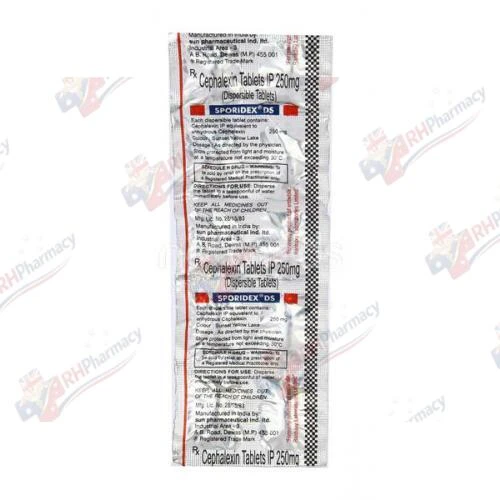
Keflex (Cephalexin) is a widely used antibiotic belonging to the cephalosporin class. It is effective in treating a variety of bacterial infections across different body systems. Commonly, Keflex is prescribed for respiratory tract infections, skin and soft tissue infections, and certain ear infections. This medication works by inhibiting the growth of susceptible bacteria, helping the body fight off the infection. Always follow the instructions provided by your healthcare professional regarding dosage and duration of treatment.
Active substance: cephalexin
Delivery: 5–21 days (depending on the shipping method)
Extra 10% discount with coupon: EXTRA10
Each dosage option has its own packaging choices.
Description
Keflex Cephalexin Uses Dosage Side Effects and Precautions for Patients
Welcome to our comprehensive guide on Keflex, a widely recognised and effective antibiotic used to combat a broad spectrum of bacterial infections. Designed to provide you with all the essential information, this page aims to empower you with knowledge about how Keflex works, its primary uses, and why it remains a preferred choice for many individuals seeking to overcome bacterial ailments across Australia and beyond. Understanding your treatment options is the first step towards better health, and we are committed to offering clear, accessible details about this important medication.
In this detailed overview, you will discover the active ingredient *cephalexin*, its mechanism of action, and the specific types of infections it targets. We will explore its benefits, compare it with other common antibiotics, and address frequently asked questions to ensure you have a complete understanding. For those in Australia looking for a reliable solution, Keflex offers a well-established track record of efficacy. This resource is crafted to assist you in making informed decisions for your health needs, providing clarity and confidence in your choice of treatment.
What is Keflex?
Keflex is an oral antibiotic belonging to the cephalosporin class of drugs, specifically a first-generation cephalosporin. Its active pharmaceutical ingredient is *cephalexin*, a potent bactericidal agent that works by interfering with the synthesis of bacterial cell walls. This action leads to the weakening and eventual rupture of the bacterial cell, effectively eliminating the infection-causing microorganisms. *Cephalexin* is highly effective against a variety of gram-positive bacteria, and some gram-negative bacteria, making it a versatile choice for numerous types of infections.
The primary role of Keflex is to treat bacterial infections in various parts of the body. It is not effective against viral infections, such as the common cold or flu, and should only be used when a bacterial cause has been identified or strongly suspected. Misuse of antibiotics can lead to antibiotic resistance, a growing global health concern. Therefore, it is crucial to use Keflex appropriately and complete the full course of treatment as prescribed or indicated.
One of the key advantages of Keflex is its generally favourable safety profile and excellent oral absorption, meaning it is well-absorbed into the bloodstream when taken by mouth. This allows for convenient administration, often enabling patients to manage their treatment effectively from home, which is particularly beneficial for individuals across Australia and other regions seeking practical healthcare solutions. The drug is available in several forms, including capsules, tablets, and an oral suspension for those who may have difficulty swallowing pills, such as children.
Key Features of Keflex
- Broad Spectrum Activity: *Cephalexin* targets a wide range of bacteria, including common culprits like Staphylococcus aureus and Streptococcus pyogenes, which are responsible for many skin and soft tissue infections.
- Effective against Common Infections: It is frequently prescribed for respiratory tract infections (e.g., strep throat, sinusitis, bronchitis), skin and soft tissue infections (e.g., cellulitis, impetigo, folliculitis, carbuncles), urinary tract infections (UTIs), bone infections (osteomyelitis), and middle ear infections (otitis media).
- Oral Administration: Available in capsules, tablets, and liquid suspension, offering flexibility for various patient needs, including children and those with swallowing difficulties.
- Established Efficacy: With decades of clinical use, Keflex has a well-documented history of effectiveness and reliability in treating bacterial infections. It is a trusted name in antibiotics globally, including within the Australian medical community.
- Good Safety Profile: Generally well-tolerated, with side effects typically mild and transient, making it a suitable option for a wide demographic.
Here is a detailed table summarising the characteristics of Keflex:
| Characteristic | Description |
|---|---|
| Active Ingredient | Cephalexin |
| Drug Class | First-generation Cephalosporin Antibiotic |
| Mechanism of Action | Inhibits bacterial cell wall synthesis, leading to cell lysis. |
| Indications (Approved Uses) | Skin and soft tissue infections, urinary tract infections, respiratory tract infections (e.g., strep throat), otitis media, bone infections. |
| Forms Available | Capsules, Tablets, Oral Suspension |
| Typical Dosage Strength | 250 mg, 500 mg capsules/tablets; 125 mg/5 mL, 250 mg/5 mL oral suspension |
| Administration Route | Oral |
| Absorption | Rapid and complete oral absorption |
| Bactericidal/Bacteriostatic | Bactericidal (kills bacteria) |
| Target Organisms | Mainly Gram-positive bacteria (e.g., Staphylococci, Streptococci) and some Gram-negative bacteria (e.g., E. coli, Klebsiella pneumoniae, Proteus mirabilis). |
Why Choose Keflex? A Comparative Look
When considering an antibiotic, it’s helpful to understand how it stands in comparison to other commonly used treatments. Keflex (*cephalexin*) is often compared to other antibiotics like amoxicillin or other cephalosporins. While each antibiotic has its unique strengths and spectrum of activity, Keflex offers distinct advantages for specific types of infections, making it a preferred choice for many doctors and patients, including those right here in Australia.
For instance, amoxicillin, a penicillin-class antibiotic, is also widely used. While amoxicillin has excellent activity against certain bacteria, *cephalexin* in Keflex often exhibits superior activity against certain types of Staphylococci, which are common causes of skin and soft tissue infections. Furthermore, for individuals with mild penicillin allergies, Keflex can sometimes be a suitable alternative, although cross-reactivity is a possibility and should be carefully considered.
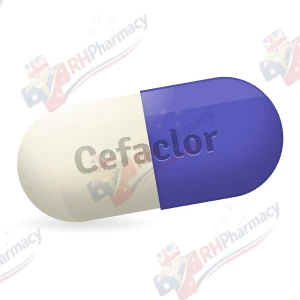
Another common comparison is with other cephalosporins, such as cefaclor (a second-generation cephalosporin). While cefaclor might offer a slightly broader gram-negative coverage, Keflex often provides robust activity against gram-positive organisms, which are frequently implicated in many community-acquired infections. The choice between them often depends on the specific pathogen identified and the site of infection.
The consistent efficacy, established safety profile, and excellent oral bioavailability of Keflex make it a reliable and convenient option for many bacterial infections, offering a compelling reason to choose it. Its consistent performance has solidified its place as a staple antibiotic in both general practice and hospital settings across Australia.
Below is a comparative table highlighting Keflex against some other popular antibiotics:
| Feature | Keflex (Cephalexin) | Amoxicillin | Cefaclor |
|---|---|---|---|
| Drug Class | First-gen Cephalosporin | Penicillin | Second-gen Cephalosporin |
| Primary Strengths | Excellent against Staphylococci & Streptococci; good for skin, bone, UTI, respiratory. | Broad spectrum, very effective for respiratory, ear, and sinus infections. | Broader Gram-negative coverage than cephalexin; good for respiratory, ear, sinus. |
| Spectrum of Activity | Good Gram-positive, limited Gram-negative (e.g., E. coli, Proteus, Klebsiella). | Good Gram-positive (Streptococci), some Gram-negative (e.g., H. influenzae, E. coli). | Good Gram-positive, broader Gram-negative than first-gens (e.g., H. influenzae, M. catarrhalis). |
| Common Uses | Skin infections, UTIs, strep throat, osteomyelitis, otitis media. | Ear infections, strep throat, sinusitis, lower respiratory tract infections. | Bronchitis, pneumonia, sinusitis, otitis media, UTIs. |
| Safety Profile | Generally well-tolerated, low incidence of serious side effects. | Generally well-tolerated, risk of allergic reactions (e.g., rash). | Generally well-tolerated, similar to other cephalosporins. |
| Considerations for Allergy | Potential for cross-reactivity with penicillin allergy (low). | Contraindicated in true penicillin allergy. | Potential for cross-reactivity with penicillin allergy (low). |
| Key Advantage of Keflex | Reliable and robust efficacy against common skin and soft tissue infections, a cornerstone antibiotic for many general practice needs. Excellent tissue penetration for bone and joint infections. | Widely available, cost-effective, very common for paediatric infections. | Useful for specific infections where broader Gram-negative coverage is beneficial. |
Dosage and Administration of Keflex
The dosage of Keflex (*cephalexin*) can vary significantly depending on the type and severity of the infection, the patient’s age, weight, and kidney function. It is crucial to follow general guidelines. For most adults, typical dosages range from 250 mg to 1 gram taken every 6 to 12 hours. For children, dosages are usually calculated based on body weight. Keflex can generally be taken with or without food, though taking it with food may help to reduce gastrointestinal upset in some individuals. The full course of the antibiotic should always be completed, even if symptoms improve before the medication is finished. Stopping early can lead to a recurrence of the infection and contribute to antibiotic resistance.
Common recommendations:
- Adults: For most infections, 250 mg every 6 hours or 500 mg every 12 hours. More severe infections or specific conditions like osteomyelitis might require higher doses, up to 1 gram every 6 hours.
- Children: Typically 25-50 mg/kg/day in divided doses. For otitis media, a higher dose of 75-100 mg/kg/day in divided doses may be used.
- Duration: Treatment courses usually last from 7 to 14 days, but can be longer for certain infections like bone infections.
Always ensure the correct dosage form (capsule, tablet, or suspension) is used and administered properly.
Potential Side Effects and Precautions
While Keflex is generally well-tolerated, like all medications, it can cause side effects. Most side effects are mild and transient. Common side effects include:
- Diarrhea
- Nausea
- Vomiting
- Indigestion
- Abdominal pain
- Headache
- Dizziness
- Rash
Less common but more serious side effects can include severe allergic reactions (anaphylaxis), *Clostridium difficile*-associated diarrhea (CDAD), liver problems, and kidney issues. If you experience severe diarrhea, persistent vomiting, yellowing of the skin or eyes, dark urine, or any signs of an allergic reaction (e.g., swelling of the face/throat, difficulty breathing, widespread rash), seek immediate medical attention.
Precautions:
- Allergies: Inform about any known allergies to antibiotics, especially penicillins or other cephalosporins.
- Kidney Disease: Dosage adjustment may be necessary for individuals with impaired kidney function.
- Pregnancy and Breastfeeding: Keflex is generally considered safe during pregnancy and breastfeeding, but it should still be discussed prior to use.
- Other Medications: Inform about all other medications, supplements, and herbal products being taken, as interactions can occur. For example, concurrent use with metformin may increase metformin levels.
Acquiring Keflex in Australia: Your Convenient Choice
For individuals in Australia seeking effective and reliable treatment for bacterial infections, the process of acquiring Keflex has been made incredibly convenient. Our platform allows you to buy this trusted medication easily and efficiently. You can order Keflex online, providing a straightforward solution for those who prefer to purchase their medications with ease and privacy.
We understand the importance of accessibility, which is why we offer Keflex as an over the counter (otc) option. This means you can purchase Keflex without a prescription, providing immediate access to treatment when you need it most. Our system is designed to facilitate a smooth transaction, allowing you to buy Keflex without a doctor prescription, simplifying the process and saving you valuable time. For those in Australia and beyond, the ability to obtain essential medications with no rx is a significant advantage.
Our commitment to convenience extends to our sourcing and delivery process. When you choose to order Keflex from us, you benefit from a robust supply chain that ensures product availability. Your purchase will typically be sourced and dispatched from established pharmaceutical hubs in various countries, with common origins including India and Singapore, renowned for their pharmaceutical manufacturing capabilities. Occasionally, shipments may originate from other reliable locations such as Hong Kong, the UAE, or Europe, ensuring a consistent and quality supply for our customers in Australia.
This flexible sourcing strategy allows us to maintain stock and offer competitive pricing, making it easier for you to purchase the medication you need. The entire process, from selecting your product to receiving it at your doorstep in Australia, is streamlined for your convenience. Experience the ease of acquiring your medication with us, enabling you to focus on your recovery. Choose to buy Keflex online today and take control of your health with confidence and ease, entirely without a doctor prescription.
Don’t let bacterial infections disrupt your life. When you need a reliable and effective antibiotic, consider Keflex. Our platform makes it simple for you to buy Keflex online, offering a discreet and efficient service that ensures your health needs are met. Experience the convenience of obtaining high-quality medication without the usual hurdles. Order your Keflex today and benefit from our commitment to your health and well-being in Australia.
Frequently Asked Questions about Keflex
-
Q: What types of infections does Keflex treat?
A: Keflex (cephalexin) is effective against a variety of bacterial infections, including those affecting the skin and soft tissues (e.g., cellulitis, impetigo), urinary tract (UTIs), respiratory tract (e.g., strep throat, bronchitis), middle ear (otitis media), and bones (osteomyelitis).
-
Q: How quickly does Keflex start to work?
A: While the full effects of Keflex may take a few days to become apparent, many people start to feel an improvement in their symptoms within 24 to 48 hours of beginning treatment. It’s crucial to complete the entire course of medication, even if you feel better sooner.
-
Q: Can I take Keflex if I have a penicillin allergy?
A: If you have a mild penicillin allergy, Keflex might be an option, but there is a small risk of cross-reactivity (around 1-10%). For severe penicillin allergies (e.g., anaphylaxis), it is generally advised to avoid Keflex due to this potential risk.
-
Q: Should I take Keflex with food?
A: Keflex can be taken with or without food. However, taking it with food may help to reduce potential stomach upset, such as nausea or indigestion, that some individuals may experience.
-
Q: What should I do if I miss a dose of Keflex?
A: If you miss a dose, take it as soon as you remember. If it’s nearly time for your next dose, skip the missed dose and resume your regular dosing schedule. Do not double doses to make up for a missed one.
-
Q: How should I store Keflex?
A: Keflex capsules and tablets should be stored at room temperature, away from moisture and direct heat. The oral suspension, once reconstituted, usually needs to be refrigerated and should be discarded after 14 days. Always check the specific storage instructions on your packaging.
-
Q: Can children use Keflex?
A: Yes, Keflex is commonly used in children, especially in its liquid suspension form, for various bacterial infections such as ear infections, strep throat, and skin infections. Dosage for children is typically based on their weight.
-
Q: Is Keflex effective against viral infections?
A: No, Keflex is an antibiotic and is only effective against bacterial infections. It will not work for viral infections like the common cold, flu, or viral bronchitis. Using antibiotics unnecessarily can contribute to antibiotic resistance.
Customer Testimonials
Here are some positive experiences from our valued customers who have used Keflex:
“As someone living an active lifestyle in regional Australia, getting quick and effective treatment for unexpected infections is crucial. I recently developed a persistent skin infection that was really bothering me. I decided to purchase Keflex online, and I was genuinely impressed with how easy the entire process was. Within a few days of starting the medication, I noticed a significant improvement, and the infection cleared up completely within the week. It’s fantastic to have such a reliable option available without needing a doctor’s appointment. The convenience of being able to order Keflex without a prescription and have it delivered was a huge relief.”
“I’ve struggled with recurrent urinary tract infections, and finding a quick solution can be a challenge. My previous experiences often involved long waits for appointments and prescriptions. This time, I opted to buy Keflex through this platform. The information provided was comprehensive, and the fact that I could obtain it over the counter made a world of difference. The delivery from Singapore was surprisingly fast, and the medication worked exactly as I expected, alleviating my symptoms effectively. It’s comforting to know there’s a place where I can purchase such a vital medication with such ease. Highly recommend for anyone in Australia looking for a hassle-free experience with their medication.”
Additional information
| Dosage |
250mg ,500mg ,750mg |
|---|---|
| Package |
30 pills ,60 pills ,90 pills ,120 pills ,180 pills ,270 pills ,360 pills |
| Ενεργός Ουσία |